
500,000+
المنتجات المدارة

500,000+
المنتجات المدارة
الضمان
12 شهرًا لجميع المنتجات
توصيل سريع
دائما وفي كل مكان
تسعة وأربعون
تقييمات متوسطة
في كل مكان
دعم عالمي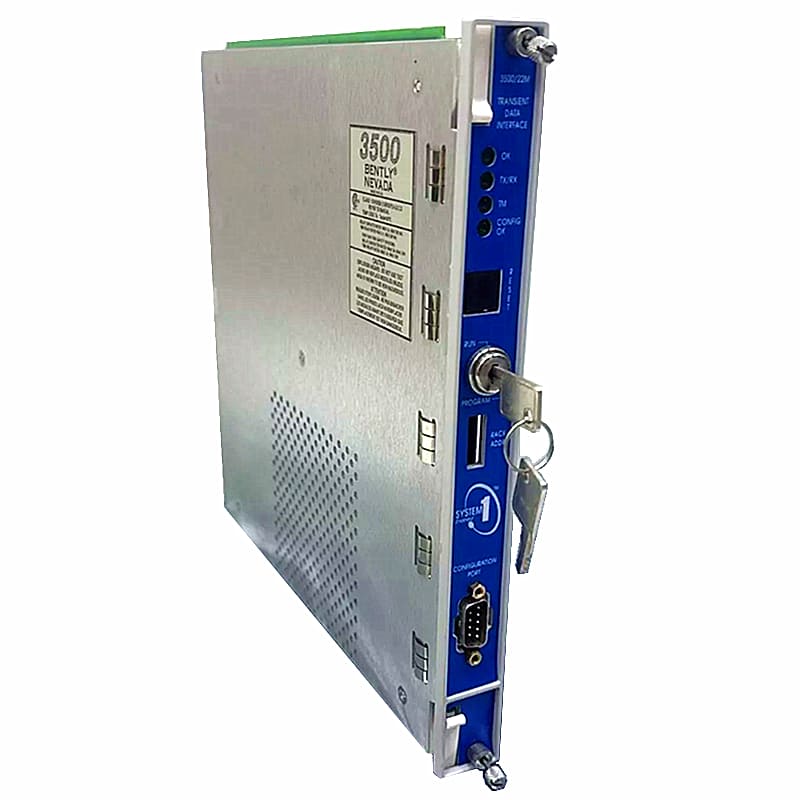
3500 System, Proximity Probes, Sensors & Transducer Systems, AHM Sensors, Accelerometers, etc.
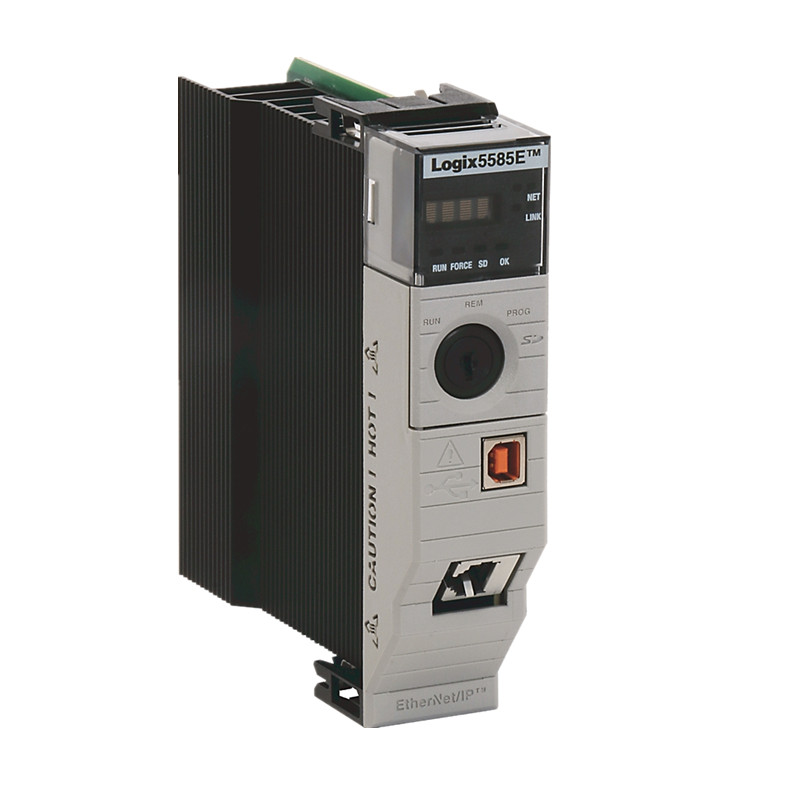
كونتروللوجيكس، كومباكتلوجيكس، فليكس I/O، إلخ.
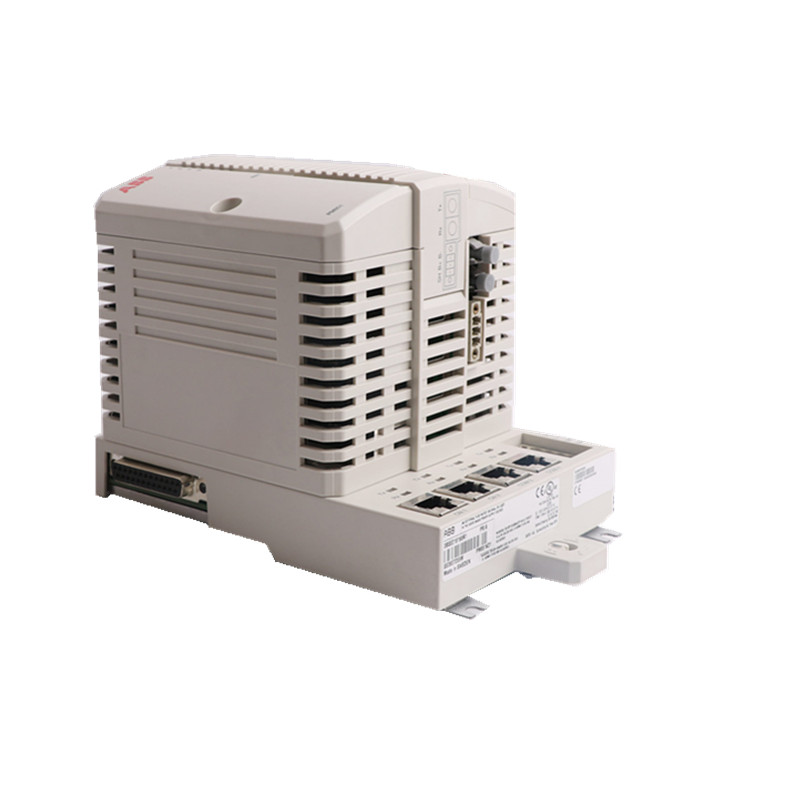
DCS 800xA، AC500، S700، S800، S900، الخ.
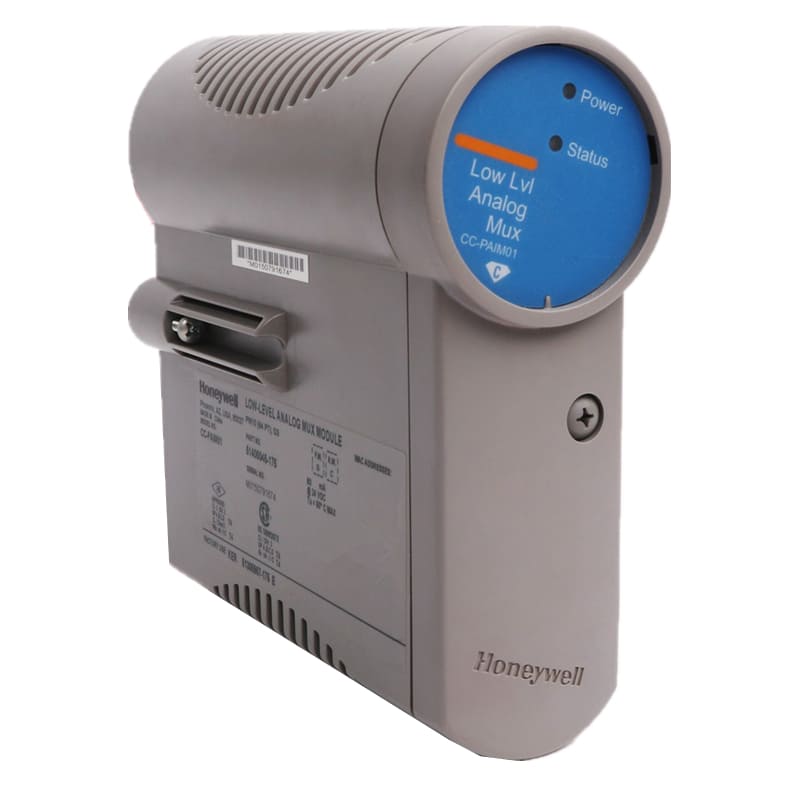
تجربة PKS C300، HC900، الخ.
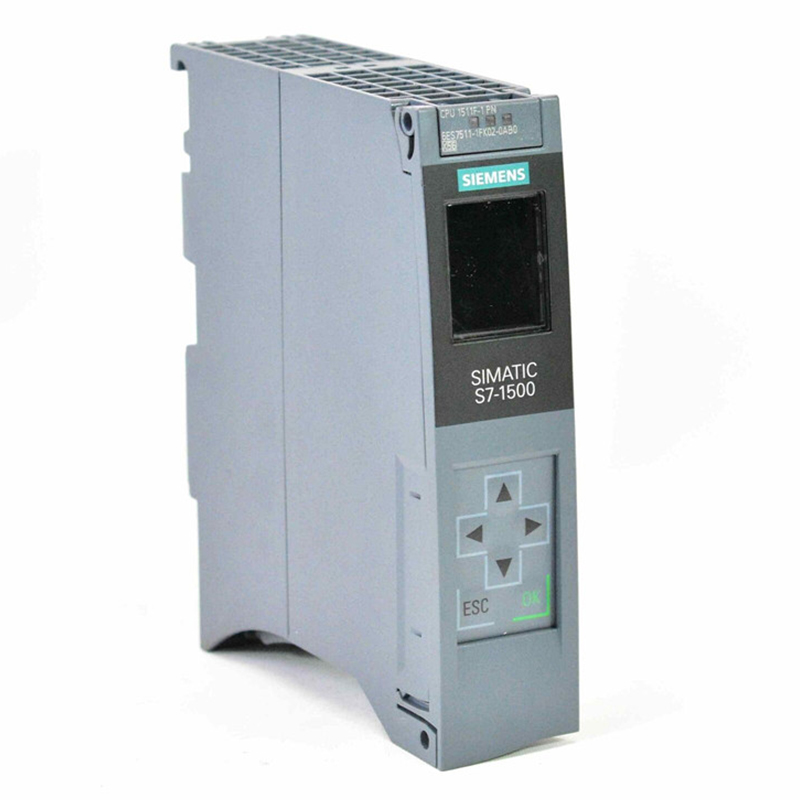
Simatc S7-200, سح-٤٠٠, سح-١٢٠٠, سح-١٥٠٠, همي, إتش.
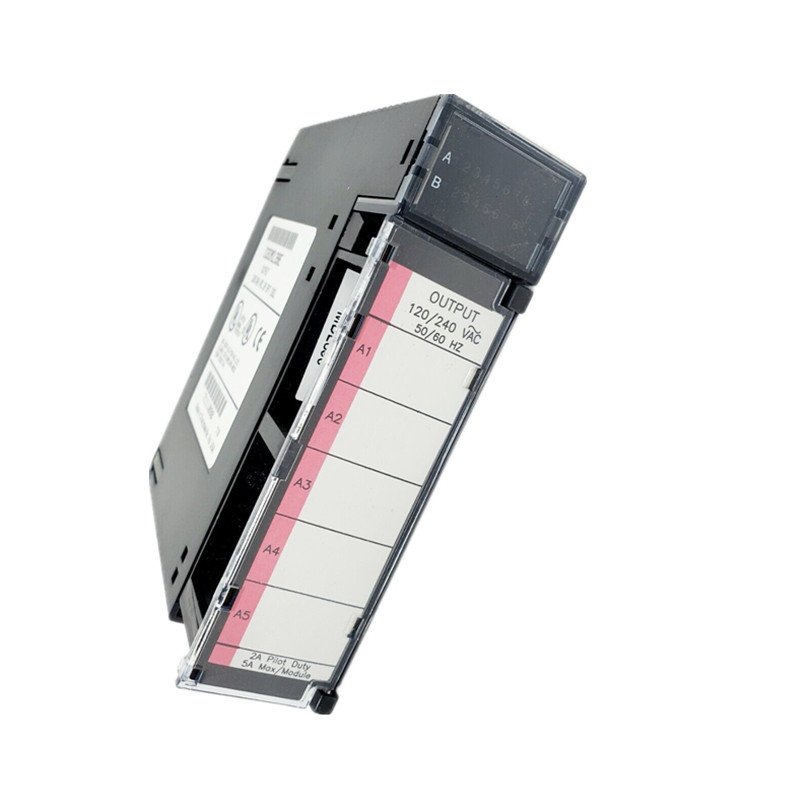
90-70، 90-30، PACSystems* RX7i، RX3i، VersaMax PLC، إلخ.
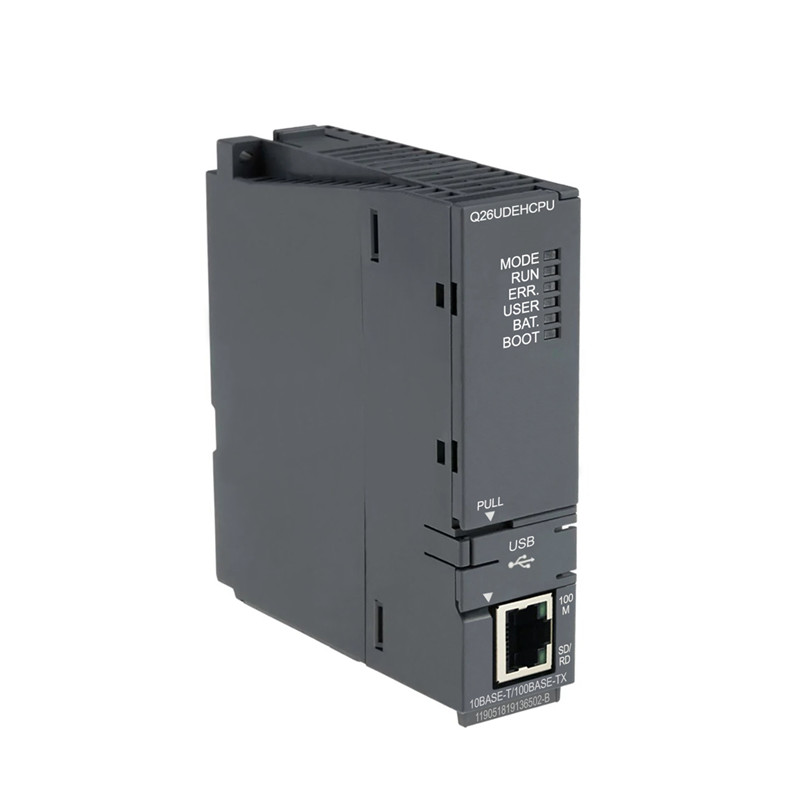
سلسلة MELSEC-Q، سلسلة MELSEC-F، سلسلة MELSEC iQ-F، إلخ.
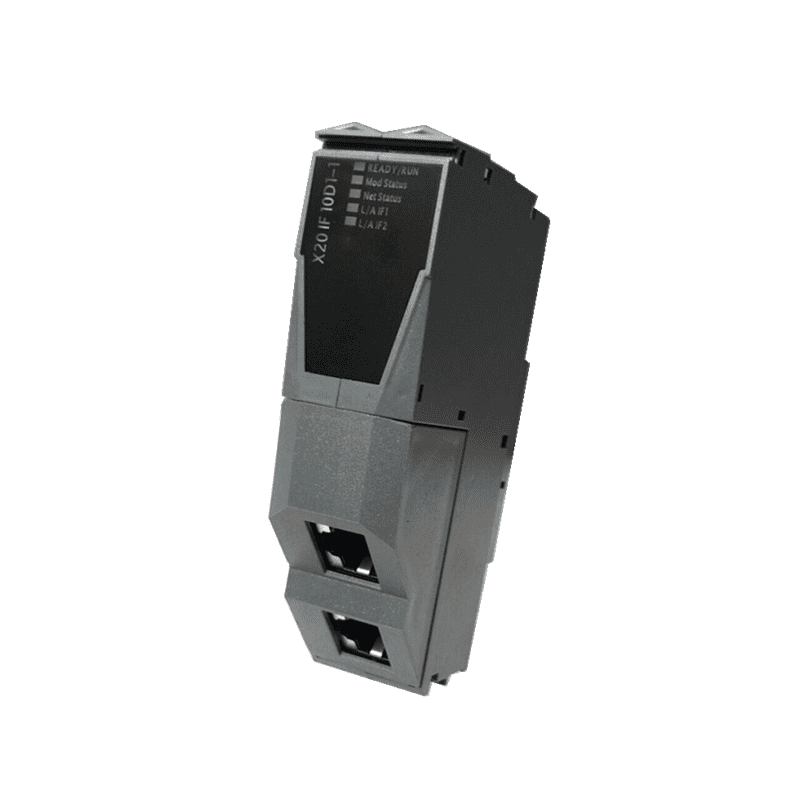
نظام PLC، نظام الإدخال/الإخراج، نظام X20، نظام X67، إلخ.
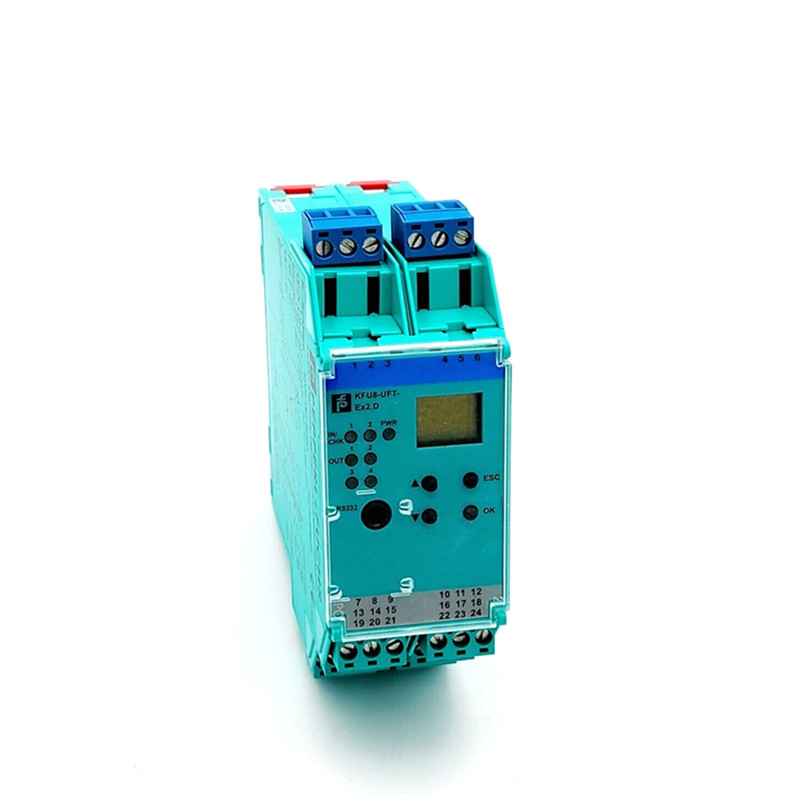
الحواجز المعزولة (نظام K)، الخ.


*أخبار الصناعة | ١٢ أكتوبر ٢٠٢٦*حددت شركة روكويل أوتوميشن تاريخ 31 أكتوبر 2026 موعدًا نهائيًا لإيقاف إنتاج محول FLEX I/O ControlNet، ولم يتم تحديد أي منتج بديل له. أرقام القطع المتأثرة هي 1794-ACN15، وهو محول ControlNet القياسي، و1794-ACNR15، وهو إصدار الوسائط الاحتياطية.يمنح ذلك المصنع حوالي ثلاثة أسابيع من اليوم لإجراء عملية شراء أخيرة. بعد ذلك، يُسحب المحول من كتالوج روكويل، والطريقة الوحيدة للحصول على بديل هي ما لا يزال متوفرًا لدى الموزعين والموردين المستقلين.لا يهم خط الإنتاج المتوقف مدى براعة خطة الترحيل، بل يهمه فقط أن يكون المحول الموجود على الرف مناسبًا. لذا، فإن تاريخ 31 أكتوبر ليس مجرد هامش هندسي، بل هو موعد نهائي لطلب الشراء، وسيصل خلال ثلاثة أسابيع.اقرأ بقية الصورة قبل أن تقرر كمية الأسهم التي ستشتريها. يُعد محول ControlNet جزءًا من دورة إيقاف تشغيل FLEX I/O الأوسع، وتُشير فترات الانتظار لما تبقى إلى مدى المرونة المتاحة لديك فعليًا. التاريخ المهم هو 31 أكتوبريُعدّ 31 أكتوبر آخر يومٍ يُمكن فيه طلب المنتجين 1794-ACN15 و1794-ACNR15 من شركة روكويل. وتُشير صفحة المنتج إلى انتهاء دورة حياته مع تاريخ التوقف هذا، والصيغة واضحةٌ تمامًا لا تدع مجالًا للتأويل: "تُعلن شركة روكويل أوتوميشن أنه اعتبارًا من 31 أكتوبر 2026، سيتم إيقاف إنتاج محول Flex ControlNet ولن يكون متاحًا للبيع. وننصح العملاء بإزالة أي إشارة إلى المنتج (المنتجات) المتأثرة."تلك الجملة الأخيرة هي التي تستحق القراءة مرتين. روكويل تنصحك بحذف رقم القطعة من رسوماتك وقوائم المواد وإجراءات الصيانة. إنها لا تخبرك بما يجب وضعه مكانه.يُصنّف المنتج في صفحة المنتج ضمن فئة "الاستبدال الهندسي". هذه عبارة مُحدّدة وغير مُفيدة لأي شخص يمتلك هذا الجهاز. فالاستبدال الوظيفي يُركّب مباشرةً ويؤدي نفس الوظيفة. أما الاستبدال الهندسي فيعني إمكانية أداء الوظيفة نفسها، ولكن مع تغييرات في التصميم، والأشخاص الذين قاموا بالتصميم ليسوا هم من يتحملون ميزانية الصيانة.لم يتم إدراج رقم القطعة البديلة. هذه هي المعلومة التي يجب أن تؤثر على قرار الشراء هذا الشهر.عندما يُحدد المورّد بديلاً، يمكنك التخطيط بناءً على ذلك. تقرأ ورقة البيانات، وتتحقق من الأبعاد، وتطلب واحداً للطاولة، وتكتشف ما يتعطل. أما عندما يكون حقل البديل فارغاً، فأنت من يضع خطة النقل، وتفعل ذلك دون أن يُملي عليك المورّد أي مسار.بالنسبة لمصنع يُبقي نظام ControlNet القديم قيد التشغيل لأنه يعمل ولأن رأس المال مُعتمد منذ عقدٍ مضى، فقد حانت اللحظة الحاسمة لاتخاذ قرار بشأن المنصة. إما أن تشتري مخزونًا جاهزًا لتمديد عمر النظام الحالي، أو أن تقبل بأن استخدام ControlNet بات الآن في مرحلة تناقص لم تُحددها أنت.العد التنازلي حقيقي في كلتا الحالتين. توقفت شركة روكويل عن البيع. كل محول في السوق الآن على بُعد عطل واحد من أن يصبح مشكلة لا يمكنك حلها بالشراء من القنوات المعتادة.ما هي المنتجات التي ستتوقف عن الإنتاج، وما هي المنتجات التي ستستمر في الإنتاج؟لا يشمل قرار إيقاف إنتاج جميع محولات FLEX I/O دفعة واحدة، والفترات الزمنية بين تاريخي الإيقاف أهم من تاريخي الإيقاف أنفسهما. إليكم قائمة الطرازات، مع توضيح ما يعنيه كل طراز بالنسبة للسوق.1794-ACN15، محول FLEX I/O ControlNet، وسائط غير احتياطية. حالة دورة الحياة: نهاية العمر الافتراضي. تم إيقاف إنتاجه في 31 أكتوبر 2026. فئة الاستبدال: استبدال هندسي. لم يتم تحديد بديل له.1794-ACNR15، محول FLEX I/O ControlNet مع وسائط تخزين احتياطية. حالة دورة الحياة: نهاية العمر الافتراضي. تم إيقاف إنتاجه في 31 أكتوبر 2026. فئة الاستبدال: استبدال هندسي. لم يتم تحديد بديل له.1794-ACNR15XT، محول Flex XT ControlNet للبيئات ذات درجات الحرارة الممتدة. حالة دورة الحياة: نهاية العمر الافتراضي. تم إيقاف إنتاجه في 31 ديسمبر 2027. المنتج البديل: 5094-AENTRXT.1794-AENT، محول FLEX EtherNet/IP بتقنية 10BaseT. حالة دورة الحياة: نهاية العمر الافتراضي. تم إيقاف إنتاجه في 30 سبتمبر 2028. فئة الاستبدال: استبدال وظيفي. اسم المنتج البديل: 1794-AENTR.1794-AENTR، محول إيثرنت/آي بي ثنائي المنافذ من نوع FLEX I/O. حالة دورة الحياة: نشط ناضج، مما يعني أنه لا يزال قيد الاستخدام. تشير روكويل إلى أن مدة التسليم المقدرة هي 5 أيام.يتم استبدال محولَي ControlNet أولاً، ويتم استبدالهما معاً. يحصل طراز XT، المصمم للعمل في ظروف الحرارة والبرودة والظروف القاسية، على فترة دعم إضافية مدتها أربعة عشر شهراً ووجهة محددة. أما محول EtherNet/IP فيحصل على عامين إضافيين تقريباً وبديل نظيف وفعال.هذا النمط ليس عشوائياً. لا يتم إيقاف المنصة دفعة واحدة، بل يتم إيقافها تدريجياً من بروتوكول شبكة واحد في كل مرة، وControlNet في مقدمة قائمة الانتظار.إذا احتفظتَ بمحول ControlNet قياسي ووحدة XT في نفس المصنع، وهو أمر شائع في المواقع التي تضم مزيجًا من الألواح المُكيّفة والخزائن الخارجية أو المقاومة للماء، فلن يكون لهما نفس التوقيت. لا تدع تاريخ انتهاء صلاحية أحدهما يتداخل مع الآخر أثناء مناقشة الميزانية. مستخدمو XT لديهم خليفة مُعيّن ووقت أطول، بينما مستخدمو ControlNet القياسي لا يملكون أيًا منهما.يُعدّ جانب EtherNet/IP الجزء الأكثر سهولةً في الحل. وحدة 1794-AENTR متوفرة لدى Active Mature، وتُشير Rockwell إلى فترة انتظار مدتها 5 أيام. هذا ليس جزءًا سيُسبب لك أي تأخير. يمكنك طلبه عبر القنوات المعتادة واستلامه في نفس الأسبوع.يكمن السبب في أهمية هذا الأمر هنا في أن محول EtherNet/IP هو الخيار الأمثل في حال انتقال المصنع من نظام ControlNet. فهو متوفر، ويتم شحنه بسرعة، وليس مدرجًا ضمن قائمة المنتجات التي سيتم إيقاف إنتاجها. هذه الميزات مجتمعة تمنحك خيارًا، وهذا الخيار أقل تكلفة من ترك المساحة الفارغة بجوار جزء ControlNet.لنبدأ بشرح وظيفة محول FLEX I/O. يربط محول واحد ما يصل إلى ثماني وحدات FLEX I/O بالشبكة. من جانب ControlNet، يتم نقل البيانات عبر ControlNet V1.5. يُعد المحول نقطة الاتصال الوحيدة بين رف وحدات الإدخال/الإخراج ووحدة التحكم، حيث يتم فصلها أو إيقافها.محول واحد، يصل إلى ثماني وحدات، اتصال شبكة واحد. عند تعطل هذا المحول، لن تفقد نقطة إدخال واحدة، بل ستفقد الحامل بأكمله.هذا هو الرقم الذي يجب مراعاته عند تحديد عدد المحولات التي ستشتريها. لا يُقصد بتكلفة المحول نفسه تكلفة كل جهاز موصول به.لماذا تجعل فترة الانتظار التي تبلغ 73 يومًا الأمر أسوأ مما يبدو؟تُشير صفحة المنتج 1794-ACN15 إلى فترة انتظار تقديرية تبلغ 73 يومًا. أي ما يعادل 730 ساعة انتظار، وهذا هو تقدير شركة روكويل نفسها لجزء سيتم إيقاف إنتاجه خلال ثلاثة أسابيع.فكّر في هذا للحظة. آخر موعد للطلب بعد حوالي ثلاثة أسابيع. ومدة التوصيل حوالي عشرة أسابيع ونصف.لا يتطابق هذان الرقمان، وهذا التباين هو جوهر المشكلة. فالطلب الذي يُقدّم في آخر يوم من شهر أكتوبر لا يصل في أكتوبر، بل يصل في النصف الأول من يناير، إذا صحّ التقدير.هذا هو فخ الشراء في آخر فرصة. يسمع الناس عبارة "آخر موعد للطلب" ويتصورون موعدًا نهائيًا محددًا يمكنهم التخطيط بناءً عليه. في الواقع، الشراء في آخر فرصة هو التزام بالانتظار، ويتم قبل معرفة ما ستكون عليه الأشهر الاثني عشر القادمة من إخفاقات.بالنسبة لمخطط الصيانة، يُغيّر هذا الأمر طبيعة القرار. فأنت لا تختار بين الشراء الآن والشراء لاحقًا بنفس السعر والتوافر، بل تختار بين تأمين المخزون في وقت محدد مسبقًا، والمجازفة بعدم تعطل أي شيء في الرفوف بينما يتقلص حجم السوق.يُعدّ وقت التسليم الذي يصل إلى 73 يومًا مؤشرًا على حالة سلسلة التوريد الخاصة بالقطعة. فعادةً ما تعني فترات التسليم الطويلة للأجهزة التي انتهى عمرها الافتراضي أن القطعة تُصنع حسب الطلب، أو تُسحب من مخزون متناقص، أو تخضع للتخصيص. ولا تتحسن أي من هذه الظروف بعد تاريخ إيقاف الإنتاج، بل تسوء، ثم تصبح نادرة، ولا يتبقى في المخزون سوى ما هو موجود بالفعل على الرفوف.مدة توريد محول إيثرنت/آي بي، البالغة 5 أيام، تقارب مدة التوريد البالغة 73 يومًا في نفس الكتالوج، وهذا التباين هو بيت القصيد. الأول هو قطعة يمكنك طلبها اليوم، أما الثاني فهو قطعة عليك طلبها قبل أشهر حتى تتمكن من استلامها.التفسير العملي واضح. لا يتعلق توفر المنتج بعد 31 أكتوبر بالسعر، بل بما إذا كان أحد لا يزال يمتلك القطعة. مخزون الموزعين والموردين المستقلين هم قنوات التوزيع، وهذه القنوات تتضاءل شهرياً.إذا كان لديك رفٌّ بالغ الأهمية، فإنّ مهلة التسليم هي الحجة التي تدفعك لاتخاذ القرار هذا الشهر بدلاً من الأسبوع الأول من نوفمبر. الفرق بين الطلب في 24 أكتوبر والطلب في 3 نوفمبر ليس ثلاثة بالمئة من قيمة طلب الشراء، بل هو الفرق بين سلسلة توريد روكويل وما تبقى في السوق الثانوية.إذا كنت بحاجة إلى مساعدة في تحديد ما لا يزال متاحًا، فإن قطع غيار ألين برادلي المتوقفة هي مكان معقول لبدء البحث، ويستحق الأمر القيام بذلك قبل انتهاء تاريخ البيع الأخير بدلاً من بعده.المساران الواقعيان هما: إما الإبقاء على المنصة، أو الانتقال إلى إيثرنت/آي بيبمجرد اختفاء المحول من الكتالوج، يصبح أمام المصنع خياران حقيقيان. كل شيء آخر هو مجرد اختلاف لأحدهما.الخيار الأول هو الإبقاء على المنصة. تشتري ما يكفي من المحولات لحمل رفوف ControlNet طوال الفترة التي تخطط لها، وتخزنها بشكل صحيح، وتستمر في التشغيل. لا يتطلب هذا الخيار مشروعًا رأسماليًا، أو تغييرًا في وحدة التحكم، أو فترة توقف. كل ما يتطلبه هو طلب شراء ورف تخزين.تكلفة هذا المسار تكمن في الرف نفسه. المحولات التي تبقى لسنوات لا تستهلك طاقة ولا تكلف شيئًا، لكنها تُجمّد رأس المال العامل، ويجب تخزينها في مكان جاف ومستقر، ويجب على شخص ما متابعتها. الفائدة هي أن أي عطل في ظهيرة يوم ثلاثاء يتحول إلى استبدال سريع في خمس عشرة دقيقة بدلًا من أن يكون حدثًا إنتاجيًا.المسار الثاني هو الانتقال إلى بروتوكول إيثرنت/آي بي. عندها يتوقف المصنع عن التعامل مع نظام التحكم (ControlNet) كجزء ثابت ويبدأ بالتعامل معه كمشروع. جهاز 1794-AENTR متوفر، وهو جاهز للاستخدام، وسيتم شحنه خلال خمسة أيام تقريبًا، وهو المحول الذي تتجه إليه منصة FLEX I/O.إنّ عملية النقل تتجاوز مجرد تغيير المحوّل. إذ يجب أن يستخدم جانب التحكم نفس البروتوكول، ويتغير تصميم الشبكة، وتتغير العنونة، ويتعين على القائمين على صيانة النظام تعلّم مجموعة أدوات مختلفة. لهذا السبب، يُعتبر هذا المسار مشروعًا وليس مجرد طلب شراء.من المهم توضيح حجم الفجوة. فشبكة ControlNet V1.5 وشبكة EtherNet/IP شبكتان مختلفتان تمامًا، ولكل منهما بنية كابلات وقواعد طوبولوجية وتشخيصات مختلفة. ولا يمكن نقل الخزانة بمجرد استبدال بطاقة واحدة، بل يجب إعادة استضافتها على شبكة قد تكون متوافقة مع باقي نظام التحكم أو لا.بالنسبة لبعض المصانع، بدأ هذا العمل بالفعل. أي موقع قام بتحديث طبقة التحكم الخاصة به خلال العقد الماضي، من المحتمل أن يكون لديه بنية أساسية من نوع EtherNet/IP في مكان ما، وتُعدّ وحدات FLEX آخر ما تبقى من شبكة ControlNet متصلة. بالنسبة لهذه المواقع، يُعدّ إيقاف هذه التقنية مجرد تعديل مؤقت للجدول الزمني، وليس أزمة.بالنسبة للمصانع الأخرى، تُشكّل رفوف FLEX I/O ControlNet العمود الفقري. تم تركيبها آنذاك كخيار ذكي ومرن، ونمت بقية أجزاء المصنع حولها. بالنسبة لتلك المواقع، يُمثّل الخيار الثاني نقاشًا جادًا حول رأس المال، بينما يُمثّل الخيار الأول ضمان استمرارية العمل خلال هذا النقاش.الحل العملي لمعظم العمليات هو مزيج من الحلول. اشترِ مخزونًا من المحولات التي تحمل الخوادم التي لا يمكنك تحمل توقفها، وابدأ العمل الهندسي على نقل الخوادم الأقل أهمية أو التي تقترب بالفعل من فترة توقف مخطط لها.الشيء الوحيد الذي لا يوفره هذا المزيج هو أنه مجاني. فكل شهر تقضيه في اتخاذ القرارات هو شهر تقل فيه فرصة الشراء الأخيرة، كما أن سعر وتوافر ما تبقى في سوق السلع المستعملة أمر متقلب.إذا كنت تزن بين المسارين، فإن قطع غيار Rockwell Automation هي نقطة مرجعية مفيدة لما لا يزال يتم الحصول عليه وتوريده في سوق ما بعد البيع، حتى تتمكن من تسعير جانب المخزون من القرار مقابل جانب المشروع.ما هي التكلفة الفعلية التي يتكبدها النظام نتيجة عطل غير مخطط له في المحول؟هنا يرغب الناس في معرفة رقم محدد، وهنا يرفض المقال المسؤول تقديمه. تعتمد تكلفة توقف العمل كلياً على المصنع، وأي رقم يُذكر هنا سيكون رقماً وهمياً، وغير مناسب لموقعك، وغير مفيد كمدخل للميزانية.إليك كيفية إنشاء رقمك الخاص بدلاً من ذلك.ابدأ بمعدل إنتاج خط الإنتاج أو معدل إنتاج المنتج، أياً كانت الوحدة التي تستخدمها بالفعل لتتبع الإنتاج. اضرب الناتج في قيمة ذلك الإنتاج. هذا يعطيك تكلفة ساعة التوقف.أضف الآن تكلفة العمالة التي تنتظر أثناء توقف خط الإنتاج. أضف تكلفة إعادة التشغيل، والتي تُعتبر في بعض العمليات خردة حقيقية، وفي عمليات أخرى ساعات من التسخين وإعادة التأهيل. أضف تكلفة العمل الإضافي إذا تمكنت من تعويض الحجم المفقود من خلال نوبات عمل إضافية.والنتيجة هي تكلفة كل ساعة توقف. هذا هو الرقم الذي يجب أخذه في الاعتبار عند اتخاذ القرار، وهو رقم لا يمكن حسابه إلا من قبلك.ثم قم بالحسابات المهمة. إذا كان المحول موجودًا في المخزن، فإن العطل سيكلفك استبداله: اتصل بفني الكهرباء، افصل التيار عن الجهاز، استبدل البطاقة، أعد تشغيله، وتحقق من الأمر. قد يستغرق الأمر ساعتين على الأكثر، وغالبًا أقل.إذا لم يكن المحول متوفرًا، يستمر العد التنازلي. تتصل بمورديك، فتكتشف أنه لا يوجد لديهم مخزون فوري، فتنتظر. أضف إلى ذلك تكلفة الشحن السريع، والسعر المرتفع الذي يفرضه أي جزء نادر عندما يعلم البائع أنك بحاجة إليه اليوم.إنّ الفجوة الزمنية بين عملية الاستبدال والانتظار هي المبرر الوحيد للاحتفاظ بقطع الغيار. وهي أيضاً السبب الذي يجعل رفّاً مليئاً بالمحولات يبدو رخيصاً.يؤدي التأخير لمدة 73 يومًا في توريد القطعة 1794-ACN15 إلى تحويل طلب التوريد العادي إلى عملية إنتاج. فالقطعة التي يُفترض شراؤها في الأسبوع التالي، قد تصبح بعد 31 أكتوبر قطعة غير متاحة للشراء إطلاقًا بالسعر أو السرعة المعتادة.هناك تكلفة ثانية يسهل نسيانها. ففقدان محول الطاقة في الرف يؤدي إلى توقف ما يصل إلى ثماني وحدات إدخال/إخراج عن العمل. وإذا كانت هذه الوحدات تغذي نظام أمان، أو وصفة تشغيل، أو قياس جودة، فإن إصلاحًا كهربائيًا بسيطًا لا يستغرق سوى ساعتين قد يتحول إلى رفض دفعة من المنتج أو تأخير في الجودة يدوم لفترة أطول بكثير من مدة الإصلاح.لهذا السبب، فإن مسألة قطع الغيار لا تتعلق أبدًا بالمحول نفسه، بل تتعلق بالرف، والرف يتعلق بكل ما يفعله المصنع بالإشارات.إذا لم يسبق لك حساب تكلفة توقف موقعك الإلكتروني، فافعل ذلك الآن، ما دامت القطعة متوفرة للشراء. من الأسهل بكثير تبرير شراء قطع الغيار برقم حقيقي في جدول بيانات بدلاً من مجرد الشعور بأن قطع الغيار فكرة جيدة.بالنسبة للمصانع التي تحافظ على المنصات القديمة قيد التشغيل، غالبًا ما تكون أجهزة PLC القديمة هي المصدر العملي للأجزاء التي لم يعد البائع الأصلي يبيعها، ومعرفة مصدرك قبل حدوث عطل هو جزء من نفس الحساب.تدقيق قطع الغيار الذي يمكنك إجراؤه هذا الأسبوعهذا تمرين ميداني بسيط ولا يتطلب رمز مشروع. الهدف هو الحصول على رقم دقيق واحد: عدد محولات 1794-ACN15 و1794-ACNR15 التي يعتمد عليها موقعك فعليًا.ابدأ من لوحة التحكم. دوّن جميع رفوف الإدخال/الإخراج المرنة (FLEX I/O) المزودة بمحول ControlNet. لكل رف، اكتب اسم اللوحة، والعملية التي تخدمها، وما إذا كانت العملية حرجة أم يمكن تأجيلها. لا تتجاهل الرفوف الموجودة في زوايا المصنع النائية؛ فهذه هي الرفوف الأكثر عرضة للنسيان أثناء التخطيط، والأكثر صعوبة في الوصول إليها عند حدوث عطل.الآن، احسب عدد المحولات. لاحظ ما إذا كان كل منها من طراز 1794-ACN15 أو 1794-ACNR15. إذا كان موقعك يستخدم وسائط تخزين زائدة في أي مكان، فإن عدد محولات ACNR15 هو الذي يجب مراقبته، لأن كلا الإصدارين يشتركان في نفس تاريخ التوقف عن الإنتاج في 31 أكتوبر، وليس لأي منهما بديل مُعلن.بعد ذلك، تفقد مخزنك الخاص قبل أن تتفقد مخازن الآخرين. فبعض المواقع لديها مخزون من المحولات التي اشترتها منذ سنوات ولم تسجلها. يُعدّ حصر المخزون على الرفوف معلومة مجانية، ويمكن أن تُغيّر خطة مشترياتك بالكامل في غضون ساعات.ثم قارن بين احتياجاتك وما تملكه. الفرق بين هذين الرقمين هو ما ستشتريه هذا الشهر.أثناء العمل، دوّن الأعطال. إذا تعطل محول خلال العامين الماضيين، فاكتب السبب. لا يتعطل المحول بمعزل عن غيره، فالحرارة والاهتزازات واضطرابات الطاقة وضعف توصيلات اللوحة الخلفية كلها عوامل تؤثر عليه، وسيستمر تعطل الرف الذي لديه تاريخ من الأعطال حتى بعد إغلاق الكتالوج. أما الرفوف ذات السجلات النظيفة فهي الأنسب لجدول زمني أطول لعملية الترحيل.يُضاف شيئان آخران إلى ورقة التدقيق.أولًا، أدرج رفوف XT بشكل منفصل. يمتد ضمان 1794-ACNR15XT حتى 31 ديسمبر 2027، مع وجود بديل مُحدد هو 5094-AENTRXT، لذا فهو بند منفصل ذو أولوية مختلفة. دمجه مع العدد القياسي لـ ControlNet سيؤدي إما إلى المبالغة في تقدير مستوى تعرضك للخطر أو التقليل منه.ثانيًا، دوّن اسم صاحب القرار. كل عملية شراء أخيرة تتعثر يكون سببها رغبة قسم الصيانة في الحصول على المخزون، ورغبة قسم المالية في الحصول على المبرر، وعدم تدوين اسم صاحب التوقيع على أمر الشراء. عالج هذا الأمر قبل نهاية شهر أكتوبر.بمجرد الانتهاء من تدقيق البيانات، يصبح قرار الشراء مبنيًا على حسابات دقيقة، لا على آراء شخصية. فأنت تعرف عدد الخوادم التي تحملها، وعدد المحولات التي تستخدمها، وعدد أشهر التغطية التي تحتاجها. اضرب الفرق في تكلفة الوحدة، وقارنه بتكلفة التوقف عن العمل لديك، وسيسير الحوار مع قسم المالية بسلاسة.أجرِ التدقيق هذا الأسبوع حتى لو كانت الإجابة "لدينا ما يكفي بالفعل". التدقيق غير مكلف، بينما اكتشاف وجود نقص مكلف للغاية.إذا كشف التدقيق الذي تجريه عن ثغرات تحتاج إلى سدها بسرعة، فإن قطع غيار الأتمتة الصناعية هي نوع المصدر الذي يجب أن يكون جاهزًا قبل الموعد النهائي، وليس بعده.بقية صورة دورة حياة FLEX I/Oقم بالتصغير، لأن محول ControlNet ليس التاريخ الوحيد في التقويم، والنبات الذي يتفاعل مع هذا التاريخ فقط سيكرر نفس التمرين مرة أخرى في غضون عام.إليكم التسلسل، بالترتيب الذي يصل به.31 أكتوبر 2026: تم إيقاف إنتاج محولات FLEX I/O ControlNet، وهما 1794-ACN15 و1794-ACNR15. تم استبدالهما هندسيًا، ولم يتم تحديد بديل لهما.31 ديسمبر 2027: تم إيقاف إنتاج محول Flex XT ControlNet، رقم 1794-ACNR15XT. المنتج البديل هو 5094-AENTRXT.30 سبتمبر 2028: تم إيقاف إنتاج محول FLEX EtherNet/IP ذي منفذ 10BaseT، وهو 1794-AENT. المنتج البديل هو 1794-AENTR.لا يزال المنتج متوفراً: 1794-AENTR، محول إيثرنت/آي بي ثنائي المنافذ FLEX I/O، منتج ناضج وفعال، مدة التوصيل المقدرة 5 أيام. لم يُذكر تاريخ إيقاف إنتاجه.يمكن اعتبار ذلك بمثابة عملية إيقاف تدريجي لعائلة محولات FLEX I/O، بروتوكولًا تلو الآخر. تبدأ العملية ببروتوكول ControlNet على مرحلتين، حيث تسبقها المحولات القياسية ثم محول XT بعد أربعة عشر شهرًا. بعد ذلك، يتم إيقاف أقدم محول EtherNet/IP، وهو إصدار 10BaseT، مع وجود بديل وظيفي مُعلن عنه بالفعل، ومن المتوقع إطلاقه خلال عامين.الوجهة ثابتة. يشير كل محول متقاعد، بشكل مباشر أو غير مباشر، إلى جانب EtherNet/IP من المنصة. يُعدّ 5094-AENTRXT البديل المُسمى لمحول XT ControlNet. أما 1794-AENTR فهو البديل المُسمى لـ 1794-AENT. ولا يزال 1794-AENTR نفسه قيد التطوير النشط، وسيتم شحنه خلال 5 أيام تقريبًا، دون تحديد موعد لتقاعده.يُحدد النمط ما ترغب المنصة في أن تكون عليه. سيبقى نظام FLEX I/O. سيتم الاستغناء عن ControlNet. من المتوقع أن يتم تثبيت وحدات الرفوف على EtherNet/IP.بالنسبة لمدير الصيانة، يُعدّ هذا النمط أكثر فائدة من أي رقم قطعة منفرد. فهو يعني أن خطة التحديث التي تُعدّها اليوم، سواءً انتهت العام المقبل أو بعد خمس سنوات، لها اتجاه واحد واضح. كما يعني أيضاً أن القطعة 1794-AENTR هي القطعة التي يجب عليك فهمها الآن، لأنها مستقبل المحولات، وهي القطعة الوحيدة في هذه المجموعة التي لا تزال سهلة الشراء.كن دقيقًا بشأن ما أعلنته شركة روكويل وما لم تعلنه، لأن عدم الدقة هنا يكلف مالًا. ما هو موثق هو توقف المبيعات والتواريخ المذكورة أعلاه. لم تعلن روكويل عن توقف الإصلاح، أو توقف الدعم، أو توقف توفير قطع الغيار عبر قنوات الخدمة الخاصة بها. لا تسمح لأحد في اجتماع التخطيط القادم أن يدّعي خلاف ذلك.ما يعنيه إيقاف الإنتاج واضحٌ تماماً. لم يعد المنتج يُباع. وأصبح توفره يعتمد على المخزون الحالي. وكلما ابتعدنا عن 31 أكتوبر، قلّ هذا المخزون، وازداد تأثير السوق الثانوية في تحديد السعر.هذا هو السبب الرئيسي لاعتبار هذا التاريخ بمثابة موعد نهائي لطلب الشراء. إنه ليس اليوم الذي يتعطل فيه المنتج، بل اليوم الذي يتوقف فيه المنتج عن كونه طلبًا ويبدأ البحث عنه.ثلاثة أسابيع ليست مدة طويلة، لكنها كافية لإجراء التدقيق، وحصر المخزون، وتقديم الطلب بينما لا يزال رقم القطعة موجودًا في الكتالوج وليس مجرد استفسار للمورد. المصانع التي ستخرج من هذه الأزمة بنجاح هي تلك التي ستقضي الأسبوع المقبل في العمل الميداني، وليس تلك التي ستقضي الأسبوع الأول من نوفمبر في المكالمات الهاتفية.تم ضبط التقويم. خانة "الخلف" فارغة. المتغير الوحيد المتبقي هو عدد العناصر التي تقرر وضعها على الرف.
 October 13,2026

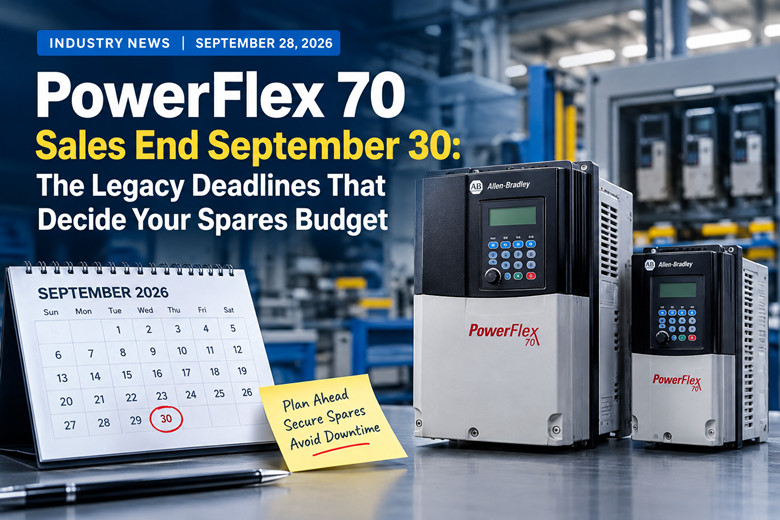
يوم الأربعاء، ستتوقف شركة روكويل أوتوميشن عن بيع محركات PowerFlex 70 الجديدة. ليس جميعها، ولكن تلك التي تستخدمها معظم المصانع فعلياً في خزائنها. إذا كان لديك خط إنتاج يعمل بمحرك PowerFlex 70 ولم تقرر بعد ما ستفعله عند تعطل المحرك التالي، فقد أصبح هذا القرار إلزامياً الآن. لم يتبق سوى يومين.لقد شهدتُ ثلاثًا من هذه التحولات خلال خمسة عشر عامًا. النمط لا يتغير. يُعلن البائع، يُومئ الجميع برؤوسهم، لا أحد يُخطط للميزانية، وبعد ثمانية عشر شهرًا، يكون فني الصيانة على الهاتف في الساعة الثانية صباحًا محاولًا العثور على وحدة مُجددة من وسيط يرفض الإجابة عن سؤال مصدرها. هذه هي الفاتورة التي أحاول أن أجنّبك دفعها.هذا ليس مقالاً تقنياً. أنت تعرف وظيفة محرك الأقراص. هذا المقال يتناول تكلفة التقويم، والأجزاء التي لا يزال بإمكانك شراؤها ومتى، وما يجب عليك تخزينه قبل حلول المواعيد. ما الذي ينتهي تحديداً في 30 سبتمبر، وما الذي لا ينتهي؟ اقرأ الإعلان بعناية، فالعنوان قد يُبالغ في وصف المنتج، والتفاصيل هي ما يُحدد ميزانيتك. تنص صفحة منتج PowerFlex 70 الخاصة بشركة Rockwell على ما يلي: "تُعلن Rockwell Automation عن إيقاف إنتاج محرك PowerFlex 70 AC، ولن يكون متاحًا للبيع اعتبارًا من 30 سبتمبر 2026. ينطبق تاريخ انتهاء الصلاحية وتاريخ الإيقاف فقط على إصدارات IP20/NEMA UL من النوع 1، وIP54/NEMA UL من النوع 12، وإصدارات Flange. أما إصدارات NEMA 4X فتبقى في حالة Active Mature. لدعم عملية الانتقال، نوصي بالتحديث إلى عائلة محركات PowerFlex 750 AC."هذا كلام البائع، وليس كلامي. هناك أمران مهمان فيه.أولًا، تبقى إصدارات NEMA 4X ضمن فئة "التشغيل الناضج". إذا كانت أنظمة الغسيل أو التركيبات الخارجية لديك تستخدم حاويات 4X، فستبقى لديك قناة بيع متاحة في الوقت الحالي. "التشغيل الناضج" ليس مرادفًا لـ"التشغيل النشط"، وهو ليس ضمانًا للأبد، ولكنه ليس تاريخ توقف نهائي أيضًا. لا تُدرج وحدات 4X مع باقي أسطولك عند إعداد قائمة التدقيق، لأنك ستنفق أكثر من اللازم على قطع غيار يمكنك طلبها بشكل طبيعي.ثانيًا، ينطبق هذا التوقف على عائلات محددة من الحاويات، وتُشير روكويل إلى أداة البحث عن حالة دورة حياة المنتج للتحقق من أرقام الكتالوج الفردية. هذا ليس إجراءً شكليًا. قد يعتقد مصنع لديه أربعون لوحة اسم PowerFlex 70 في جدول بيانات أنه يُعاني من أربعين مشكلة. عمليًا، يعني مزيج الإطارات والحاويات وبطاقات الخيارات أن لديك ربما ستة أو ثمانية أرقام كتالوج مختلفة ذات أهمية فعلية، وبعضها في حالة دورة حياة مختلفة عن البقية. استخرج الأرقام. اقرأها واحدًا تلو الآخر. لا تعتمد على اسم العائلة.أما النصف الآخر من هذه الدورة الإخبارية فيتعلق بشركة ميتسوبيشي إلكتريك، حيث تكون المواعيد النهائية أطول لكن التفاصيل أكثر دقة. نشرت نشرتان للمبيعات والخدمات، صدرتا في أبريل 2026 وتم تنقيحهما في أغسطس 2026، تشيران إلى صعوبة الحصول على المكونات، وتغطيان محركات المؤازرة AC من سلسلة HF-KN (النشرة رقم 26-07AE) ومضخمات المؤازرة AC من سلسلة MR-JN (النشرة رقم 26-06AE).يُطرح محرك HF-KN في السوق منذ 17 عامًا، أي منذ عام 2009. تُعدّ هذه فترة طويلة بالنسبة لمحرك سيرفو، ما يعني انتشاره الواسع في قطاعات التعبئة والتغليف، وتصنيع الأغذية، وخطوط التجميع الخفيفة. ويحدد البيان بدء الإنتاج حسب الطلب في 31 مارس 2027، واستمرار قبول الطلبات حتى 31 مارس 2028، ونهاية آخر شحنة وإنتاج في 31 مارس 2029، واستمرار قبول الإصلاحات وتوفير قطع الغيار حتى 31 مارس 2036.يتناول النشرة الثالثة، رقم 26-09AE، لوحة الحركة البسيطة MR-EM340GF ومجموعة تطوير برمجيات MELSOFT EM SW1DND-EMSDK-B. نفس التواريخ. سنتناول هذا الموضوع بالتفصيل لاحقًا، لأن قطعة الغيار هي الأصعب. التقويم، بالترتيب الذي سيؤثر عليك هذا هو التسلسل. لا يوجد جدول، فقط التواريخ بالترتيب الذي تظهر به، لأن هذه هي الطريقة التي يتم بها بناء جدول أوامر الشراء.· 30 سبتمبر 2026: ينتهي بيع وحدات PowerFlex 70 الجديدة بإصدارات IP20/NEMA UL Type 1 و IP54/NEMA UL Type 12 و Flange. بعد يومين من الآن. إذا كنت بحاجة إلى وحدة جديدة في أحد هذه الإصدارات، فهذا هو الأسبوع الأخير من فترة البيع الكاملة، وقد شارفت على الانتهاء.· ديسمبر 2026: يصل إنتاج سلسلة FX3G من وحدات التحكم المنطقية القابلة للبرمجة (PLC) إلى موعده النهائي، وذلك بعد إعلان شركة ميتسوبيشي في يونيو 2025 عن تحديد يونيو 2026 موعدًا نهائيًا للطلبات، مع التوصية باستبدالها بوحدة FX5UJ. إذا فاتك موعد الطلب، فأنت الآن في سوق الأجهزة المستعملة لسلسلة FX3G. تجدر الإشارة إلى هذه الحالة، لأنها تُمثل دراسة الحالة التي يتناولها هذا المقال: فقد صدر الإعلان قبل ثمانية عشر شهرًا، ومرّ موعد الطلب النهائي بهدوء في يونيو، وحلّ موعد الإيقاف في ديسمبر دون أن يلاحظه أحد.· 31 مارس 2027: ستتحول محركات المؤازرة HF-KN ومضخمات المؤازرة MR-JN ولوحة الحركة MR-EM340GF ومجموعة تطوير البرامج الخاصة بها إلى نظام التصنيع حسب الطلب. هذه هي أولى نقاط الاختناق الحقيقية. فالتصنيع حسب الطلب يعني إطالة فترات التسليم، وسيقوم المورد بالتصنيع لتلبية الطلب، وليس لتخزينه. إذا كان لديك مشروع مُقرر تشغيله في أواخر عام 2027، فإن هذا التاريخ يقع على مسارك الحرج سواءً أدرك مدير مشروعك ذلك أم لا.· أبريل 2027: يبدأ سريان إزالة علامتي CE وUKCA على الطلبات الواردة في ذلك التاريخ أو بعده، وذلك بالنسبة لمجموعات منتجات ميتسوبيشي الثلاث نفسها. هذا موعد نهائي مختلف، وسأخصص له قسماً مستقلاً أدناه.· 31 مارس 2028: يُغلق باب قبول الطلبات على أجهزة HF-KN وMR-JN وMR-EM340GF. بعد هذا التاريخ، لا يُمكنك تقديم أي طلبات. هذا هو تاريخ الشراء النهائي. كل ما قبله يُعتبر تخطيطًا. بعده، ستشتري من مورد آخر.· 31 مارس 2029: آخر شحنة، ونهاية الإنتاج، لطرازات HF-KN وMR-JN وMR-EM340GF. سيتم شحن جميع الطلبات التي تم تقديمها بحلول مارس 2028 بحلول هذا التاريخ، ثم يتوقف المصنع عن العمل.· 31 مارس 2036: انتهاء قبول الإصلاحات وتوفير قطع الغيار لنفس مجموعات منتجات ميتسوبيشي. سبع سنوات من فترة الإصلاح بعد انتهاء الإنتاج. هذه فترة سخية مقارنة بما تحصل عليه معظم أنظمة الدفع، وهي أهم بند في هذا المقال لأي شخص قلق بشأن تاريخ 2029.اقرأ تلك القائمة مرة أخرى ولاحظ ما هو مفقود. لقد نشرت روكويل تاريخ انتهاء مبيعات محرك الأقراص PowerFlex 70. لكن روكويل، بحسب المصادر التي اطلعت عليها، لم تنشر تاريخ انتهاء الإصلاح أو الدعم أو توفير قطع الغيار لنفس المحرك. لن أختلق تاريخًا كهذا، وعليك أن تشك في أي مورد يخبرك بفترة إصلاح من روكويل لم يحددها هو بنفسه. إن عدم وجود تاريخ لا يعني وجود مهلة، بل هو مجرد عدم وجود تاريخ. لذا، خطط وفقًا لذلك. لماذا يختلف شهر أبريل 2027 عن التواريخ الأخرى؟ كل تاريخ آخر في ذلك التقويم يتعلق بالحجم: هل يمكنني طلبه، هل سيتم شحنه، هل يمكن إصلاحه. أما أبريل 2027 فهو يتعلق بالأوراق الرسمية، والأوراق الرسمية هي الموعد النهائي الذي يفاجئ المصانع الأوروبية والبريطانية.تنص كل من نشرة HF-KN ونشرة MR-JN، بعبارات شركة ميتسوبيشي إلكتريك نفسها: "سيتم إزالة علامة CE من [السلسلة] لأنها لا تتوافق مع قانون الاتحاد الأوروبي للأمن السيبراني (CRA). وبالتزامن مع إزالة علامة CE، ستتم إزالة علامة UKCA أيضًا. وستُزوَّد الطلبات التي تتلقاها شركة ميتسوبيشي إلكتريك في أبريل 2027 أو بعده بدون علامتي CE وUKCA."أُبلغكم بهذا البيان كما هو من البائع. لن أناقش تفسيره القانوني، فهذا من اختصاص قسم الامتثال لديكم، وليس من اختصاص مشتري قطع الغيار في الساعة السادسة صباحًا يوم الاثنين. ما سأوضحه لكم هو النتيجة العملية، وهي نتيجة تتعلق بالمشتريات، وليست نتيجة فنية.إذا كان مصنعك يقع في الاتحاد الأوروبي أو المملكة المتحدة، وتشير وثائق آلاتك إلى مكونات تحمل علامة CE أو UKCA، فإن طلبية مُقدمة في أبريل 2027 ستصل بلوحة بيانات تختلف عن تلك الموجودة في رسوماتك الحالية. في هذه الحالة، يجب مناقشة الأمر مع مدير الجودة، والجهة المُخوّلة بالإبلاغ (إن وجدت)، وأي جهة تدقيق تابعة للعميل تُشرف على عملك. لا شك أنك لا ترغب في خوض هذه المناقشة لأول مرة في الأسبوع الذي تحتاج فيه إلى القطعة.يزداد الخطر سوءًا، وهذا ما توضحه النشرات بوضوح: قد يتم توزيع كل من الإصدار القديم والجديد في الوقت نفسه، وذلك بحسب حالة المخزون. هذا يعني أن موزعًا لديه مخزون قديم مُعلّم وموزعًا آخر لديه مخزون جديد غير مُعلّم قد يُعطيانك نفس رقم الكتالوج في اليوم نفسه، وقد تختلف العلامة الموجودة على اللوحة. إذا كنت بحاجة إلى علامة مُحددة، فيجب عليك تحديدها في طلب الشراء وتأكيدها عند استلام البضائع. لا تفترض أي شيء بناءً على رقم القطعة وحده.بالنسبة للمصانع في الشرق الأوسط أو الأمريكتين، لا يُعدّ هذا الأمر بالغ الأهمية بشكل مباشر، ولكنه يصبح ذا أهمية إذا كنت تصدّر الآلات إلى أوروبا أو إذا كان مُصنّع المعدات الأصلية يلتزم بالمواصفات الأوروبية. كما أنه يؤثر على قيمة إعادة بيع أي منتج تبيعه لاحقًا في الاتحاد الأوروبي. لذا، حدّد أيًّا من الجهات الثلاث المعنية ينطبق عليك قبل أن تُقرّر مدى تأثير تاريخ أبريل 2027 على وضعك.يُعاني جهاز MR-EM340GF من مشكلة إضافية. تُشير شركة ميتسوبيشي إلى أن البدائل المُوصى بها، وهي برنامج التحكم بالحركة SWM-G أو لوحة التحكم بالحركة MR-EM441G، غير متوافقة مع جهاز MR-EM340GF وتختلف في المواصفات. هذا هو بيان الشركة المُصنّعة، وهو واضحٌ تمامًا. لا يوجد استبدال مباشر. حزمة تطوير البرامج البديلة هي SW1DND-EMMSDK-B، ويُشير البيان إلى وثيقة ميتسوبيشي رقم 26-21E، بعنوان "تغيير في ملصقات التغليف ولوحات البيانات نتيجة لتطبيق قانون الاتحاد الأوروبي للأمن السيبراني". إذا كنت تستخدم جهاز MR-EM340GF، فإن شراء هذا الجزء ليس مُجرد شراء عادي. إنه مشروع ترقية يتطلب ساعات هندسية مُخصصة، ويجب إدراجه في خطة رأس المال، وليس في ميزانية المواد الاستهلاكية. ما هي تكلفة ذلك، وما لا يتطلبه؟ دعني أفصل بين الخوف والفاتورة، لأن الاثنين ليسا نفس الرقم.الخوف هو أن 30 سبتمبر يعني توقف أسطول PowerFlex 70 الخاص بك عن العمل، وأن كل عطل سيؤدي إلى توقف خط الإنتاج. لكن هذا ليس ما جاء في الإعلان. فتوقف المبيعات لا يعني توقف الدعم. ستتوقف روكويل عن بيع الوحدات الجديدة في ثلاث فئات من الحاويات. ولم تعلن عن موعد نهائي للإصلاح. ستستمر محركات الأقراص الحالية في العمل، وقاعدة المستخدمين كبيرة بما يكفي لتلبية احتياجات سوق الإصلاح وإعادة التصنيع من جهات خارجية لسنوات. قطع غيار محركات الأقراص القديمةالسؤال العملي ليس ما إذا كانت الأجزاء موجودة أم لا، بل من يملكها وما هي حالتها.المخاوف لدى شركة ميتسوبيشي مماثلة، والتكلفة أقل مما تتوقع. فترة الإصلاح تمتد حتى 31 مارس 2036، أي بعد سبع سنوات من انتهاء الإنتاج. ستكون معظم النباتات قد انتقلت من طرازي HF-KN وMR-JN قبل ذلك بكثير، لأن خطوط الاستبدال موجودة وموثقة: من HF-KN053(B) إلى HK-KT053W(B)، ومن HF-KN13(B) إلى HK-KT13W(B)، ومن HF-KN23(B) إلى HK-KT23W(B)، ومن HF-KN43(B) إلى HK-KT43W(B)، ومن HF-KN73(B) إلى HK-KT7M3W(B) على جانب المحرك، ومن MR-JN-10A إلى MR-J5-10A، ومن MR-JN-10A1 إلى MR-J5-10A، ومن MR-JN-20A إلى MR-J5-20A، ومن MR-JN-20A1 إلى MR-J5-20A، ومن MR-JN-40A إلى يُستخدم مُضخّم الصوت MR-J5-40A. إذا كان نظامك يستخدم مُضخّم MR-JN-10A1 أو MR-JN-20A1 على مدخل تيار متردد أحادي الطور 100 فولت، فلاحظ أن شركة ميتسوبيشي تشترط استخدام مُحوّل التيار البسيط MR-CM08K1 معه. هذا بندٌ يُغفله البعض عند طلب عروض أسعار الاستبدال.تُضيف نشرات ميتسوبيشي تحذيرًا هامًا يستحق القراءة مرتين: قد لا يكون الإصلاح ممكنًا بمجرد نفاد مخزون قطع الغيار. لذا، فإن فترة الإصلاح هي حد أقصى، وليست ضمانًا. أي شخص يُؤكد لك أن عام 2036 هو الموعد النهائي لم يقرأ النشرة بعد تاريخ إصدارها.وهذا يترك المتغير الحقيقي، وهو ليس البائع، بل السوق الثانوية.بمجرد إغلاق الطلبات، يصبح كل جزء تشتريه مُخزّنًا لدى مورد ما. وتُصبح حالة القطعة ومصدرها العاملين الحاسمين، وهما غير مُدرجين في ورقة البيانات. فجهاز MR-JN المُعاد تصنيعه، والذي تم اختباره على بنك أحمال مع سجل إصلاح موثق، يختلف عن وحدة تم سحبها من لوحة مُخرجة من الخدمة وتنظيفها. يُمكن تسعير كليهما بنفس السعر، ولكن أحدهما فقط هو المُناسب للخطوط الحيوية. يُمكنك التحكم في ذلك من خلال معرفة إجراءات الاختبار الخاصة بموردك قبل حدوث أي طارئ، والاحتفاظ بالأرقام التسلسلية لوحداتك الخاصة لتتمكن من تتبع ما تم إصلاحه، وتحديد الخطوط التي يُمكنها تحمل وحدة مُستعملة والخطوط التي لا يُمكنها ذلك مُسبقًا.بالنسبة للنبات، أجزاء محرك سيرفو وشراء قطع غيار المحركات من السوق الثانوية يُعدّ خيارًا مشروعًا وموفرًا للميزانية، شريطة أن يقوم المورّد بفحصها وتوثيقها وتقديم ضمانات عليها. فإذا لم يتمكن المورّد من وصف فحصه الأولي، فإن السعر يفقد أهميته. القرارات التي تفرضها هذه الظروف هذا الربع لديك قائمة مختصرة وقائمة طويلة. أنجز القائمة المختصرة خلال التسعين يومًا القادمة، قبل أن يبدأ تاريخ مارس 2027 في فرض فترات انتظار طويلة.1. قم بإجراء جرد شامل لقطع الغيار الموجودة على الرفوف، وقارنها بالوحدات المثبتة فعليًا. تجوّل في المصنع، واسحب كل لوحة تعريف، وسجّل رقم الكتالوج، والرقم التسلسلي، ونوع الحاوية، وتاريخ التركيب. هذه هي الخطوة التي يتجاهلها الجميع، وهي الخطوة التي توفر أكبر قدر من المال. ستجد على الرفوف محركات أقراص تابعة لخطوط إنتاج تم إيقاف تشغيلها في عام ٢٠١٩، وستجد خطوط إنتاج أخرى تستخدم أجهزة لا يوجد لها قطع غيار.2. أنشئ قائمة أرقام كتالوج واضحة، سطر واحد لكل رقم مميز، مع ذكر الكمية المُثبّتة والكمية الموجودة على الرف. بالنسبة لـ PowerFlex 70، رتّب القائمة حسب فئة الحاوية، وتحقق من كل رقم باستخدام أداة حالة دورة حياة المنتج من Rockwell بدلاً من افتراض انطباق حالة الفئة. أما بالنسبة لـ Mitsubishi، فافصل المجموعات الثلاث: HF-KN وMR-JN وMR-EM340GF.3. حدد تاريخًا لشراء الأسهم مرتبطًا بالموعد النهائي الفعلي، وليس بالموعد المُخيف. بالنسبة لشركة روكويل، هذا التاريخ هو الآن، بالنسبة لوحدات IP20 وIP54 ووحدات Flange التي لا تزال قيد التشغيل. أما بالنسبة لشركة ميتسوبيشي، فإن الموعد النهائي لقبول الطلبات هو 31 مارس 2028، والتحول إلى نظام التصنيع حسب الطلب في 31 مارس 2027 هو التاريخ الذي تبدأ فيه فترات الانتظار بالتأثير سلبًا عليك. أي شيء تنوي شراءه جديدًا، اشتره قبل مارس 2027 أو تقبّل فترة الانتظار.4. ابدأ دراسة جدوى التحديث ضمن خطة رأس المال، وليس لحالات الطوارئ. دراسة جدوى التحديث عبارة عن وثيقة من صفحة واحدة تتضمن: عدد الوحدات، ورقم القطعة البديلة، والتغييرات في اللوحة، وساعات العمل الهندسية المطلوبة، والخسائر التي قد يتكبدها المصنع في حال عدم التحديث. بالنسبة لوحدة MR-EM340GF، تُعد هذه الوثيقة إلزامية لأن القطعة البديلة غير متوافقة معها بشكل صريح. أما بالنسبة لوحدة PowerFlex 70، فتوصي روكويل باستخدام عائلة PowerFlex 750، لذا تُصنف دراسة الجدوى ضمن التحديث، وتُدرج تكاليف التحديث في ميزانية العام المقبل، وليس في حساب الطوارئ لهذا الشهر.5. أطلع مسؤول الجودة أو الامتثال لديك على تغيير العلامات المقرر في أبريل 2027، قبل أن يتحول الأمر إلى مشكلة في استلام البضائع. محادثة قصيرة اليوم قد تؤدي إلى تعطل الشحنة لاحقًا.هذه القائمة صغيرة عن قصد. لن تقوم بنقل أربعين قرصًا صلبًا هذا الربع، ولا ينبغي لك أن تحاول. ستعرف ما لديك، وتشتري القطع التي ستُستبدل أولًا، وتضع الباقي على مسار موثق. أين يناسب مورد قطع الغيار لن أدّعي أن مورد قطع الغيار يحل مشكلة دورة حياة المنتج بالكامل. هذا غير صحيح. ما يفعله المورد الجيد أكثر تحديدًا وفائدة: فهو يحتفظ بمخزون من القطع التي ستفقدها، ويخبرك بالوحدات التي اختبرها وكيف، ولا يختفي خلال الأسبوع الذي تحتاج فيه إلى القطعة فعليًا.ما يجب أن تسأله لأي مورد يقدم لك عرض أسعار على أجهزة متوقفة عن الإنتاج، واسأله قبل أن تحتاج إليها:هل يجرون اختبارات؟ وعلى ماذا؟ اختبار التحميل على المحرك واختبار التشغيل على المؤازر هما الحد الأدنى. اطلب شرح الإجراء.هل يمكنهم تتبع مصدر وحدة مستعملة أو مُعاد تصنيعها؟ إذا لم يتمكنوا من تحديد مصدر قطعة ما، فتعامل مع الوحدة على أنها ذات حالة غير معروفة.هل يحتفظون بمخزون احتياطي من الكميات التي تهمك، أم أنهم يستوردون حسب الطلب؟ الاستيراد حسب الطلب يعني أن مدة التوريد لديك تساوي مدة التوريد لديهم، وهي تحديداً المشكلة التي كنت تحاول حلها.هل سيتم تأكيد العلامة الموجودة على لوحة بيانات قطع غيار ميتسوبيشي بعد أبريل 2027؟ إذا كنت بحاجة إلى شهادة CE أو UKCA، فهذا هو السؤال الذي يميز المورد الذي يفهم التغيير عن المورد الذي لم يقرأ النشرة.الإجابة الصادقة لمعظم المصانع هي نموذج مختلط. تحصل الخطوط الحيوية على وحدات جديدة أو مُصلحة من قبل المورد. أما الخطوط غير الحيوية وقطع الغيار منخفضة التردد فتأتي من مخزون ثانوي مُختبر. قطع غيار الأتمتة إنّ اختيار المكونات بهذه الطريقة، مع إجراء اختبارات موثقة، يضمن عدم حدوث أي انقطاع غير مخطط له في الإنتاج. لذا، حدّد المزيج الموسيقي قبل أن يفرضه عليك الجدول الزمني. التعليمات هل يعني تاريخ 30 سبتمبر 2026 أن محركات الأقراص PowerFlex 70 الخاصة بي ستتوقف عن العمل أو ستتوقف عن تلقي الدعم؟ لا. هذا يعني أن شركة روكويل ستتوقف عن بيع الوحدات الجديدة من فئات IP20/NEMA UL Type 1 و IP54/NEMA UL Type 12 و Flange. ستستمر محركات الأقراص المثبتة لديك بالعمل. توضح مواد روكويل المنشورة تاريخ انتهاء المبيعات، وتوجه المستخدمين إلى أداة حالة دورة حياة المنتج الخاصة بها لمعرفة أرقام الكتالوج الفردية. لا تُعلن الشركة عن تاريخ انتهاء الصيانة أو الدعم لهذا المحرك، ولا ينبغي قبول ادعاء أي مورد بخلاف ذلك. يستخدم مصنعي وحدات NEMA 4X PowerFlex 70. هل أنا متأثر بذلك؟ ليس بحلول هذا التاريخ. تُشير روكويل إلى أن إصدارات NEMA 4X لا تزال في حالة "ناضجة نشطة". "ناضجة نشطة" ليست هي نفسها "نشطة"، لذا احتفظ بها ضمن قائمة مراقبتك، ولكنك لست ضمن فترة التوقف في 30 سبتمبر. ما هو آخر موعد فعلي لشراء محركات HF-KN ومضخمات MR-JN؟ بحسب نشرات ميتسوبيشي، يستمر قبول الطلبات حتى 31 مارس 2028، وآخر شحنة ونهاية للإنتاج في 31 مارس 2029. يبدأ التحول إلى التصنيع حسب الطلب في وقت أبكر، في 31 مارس 2027، لذا اعتبر مارس 2027 هو التاريخ الذي تبدأ فيه فترات التسليم بالتأثير سلبًا عليك. هل يُعد تغيير علامة CE في أبريل 2027 سببًا للتوقف عن استخدام هذه الأجزاء؟ هذا قرار يخص قسم الامتثال لديكم، وليس مشتري قطع الغيار. تُصرّح شركة ميتسوبيشي إلكتريك بأنه سيتم إزالة علامة CE لأن هذه السلسلة لا تتوافق مع قانون الاتحاد الأوروبي للأمن السيبراني، كما سيتم إزالة علامة UKCA أيضًا، وسيتم توريد الطلبات الواردة في أبريل 2027 أو بعده بدون أيٍّ من العلامتين. ويعتمد تأثير ذلك على وثائق آلاتكم على السوق الذي تعملون فيه ومتطلبات عملائكم. هل يمكنني شراء القطعة البديلة وتركيبها بنفسي؟ فيما يخص المحرك والمضخم، تم توثيق خطوط الاستبدال (من HF-KN إلى HK-KT، ومن MR-JN إلى MR-J5)، وهناك ملاحظات حول التركيبات، بما في ذلك محول MR-CM08K1 البسيط لبعض تكوينات التيار المتردد أحادي الطور بجهد 100 فولت. أما بالنسبة لمحرك MR-EM340GF، فقد أوضحت ميتسوبيشي صراحةً أن البدائل الموصى بها غير متوافقة وتختلف في المواصفات. هذا الأمر يتعلق بمشروع هندسي، وليس مجرد استبدال قطعة. كم من الوقت يجب أن أخطط لمسار الإصلاح؟ تُحدد نشرات ميتسوبيشي فترة قبول الإصلاحات وتوفير قطع الغيار حتى 31 مارس 2036 للطرازات HF-KN وMR-JN وMR-EM340GF، مع التنبيه إلى أنه قد يتعذر إجراء الإصلاحات بمجرد نفاد مخزون المكونات. لذا، يُنصح بالتخطيط لمسار الإصلاح كحل مؤقت، وليس كاستراتيجية دائمة. لقد تجاوزت طلبات الشراء الأخيرة لجهاز FX3G بالفعل. ماذا يعني هذا؟ يؤكد هذا صحة الإشعارات ودقة التواريخ. أعلنت ميتسوبيشي عن إيقاف إنتاج جهاز FX3G في يونيو 2025، وحددت ديسمبر 2026 موعدًا نهائيًا للإيقاف، ويونيو 2026 موعدًا نهائيًا للطلبات، مع طرح جهاز FX5UJ كخليفة له. وقد انقضى الموعد النهائي للطلبات. إذا لم تكن على اطلاع، فأنت الآن تشتري أجهزة FX3G من المخزون. وهذا تحديدًا هو الوضع الذي لا ترغب في أن تكون فيه مع جهازي HF-KN وMR-JN في عام 2028. هل ينبغي عليّ شراء كمية تكفيني مدى الحياة من قطع الغيار الآن؟ نادرًا ما يحدث ذلك. تخزين القطع على الرفوف مكلف، ويُجمّد رأس المال، وقد يتلف. اشترِ ما يُشير إليه سجل الأعطال لديك من استهلاك خلال فترة التصنيع حسب الطلب، بالإضافة إلى كمية احتياطية، وليس ما يكفي مدى الحياة. الاستثناء هو قطعة لا يوجد لها بديل متوافق، مثل MR-EM340GF، حيث يكون الاحتفاظ بالمخزون أكثر جدوى لأن البديل هو إعادة تصميم القطعة.حقول تحسين محركات البحث - لا تقم بلصق هذا الجزء في الموقع الإلكترونيعنوان الميتاتنتهي مبيعات PowerFlex 70 في 30 سبتمبر: المواعيد النهائية القديمةالوصف التعريفيتتوقف مبيعات Rockwell PowerFlex 70 في 30 سبتمبر 2026، بينما تنتهي مبيعات Mitsubishi HF-KN وMR-JN في عام 2029. المواعيد النهائية، وتغيير علامة CE، وما يجب تخزينه الآن.عنوان URL المختصرpowerflex-70-sales-end-legacy-automation-deadlines-2026فئةأخبارخطوات النشر: ١) الصق عنوان الموقع ووصفه في حقول Yoast SEO، ٢) حدد رابط الموقع، ٣) اختر الفئة، ٤) اطلب فهرسة الموقع في Search Console. الموقع: tztechio.com
September 28,2026

إعلان عطلة: عيد منتصف الخريف واليوم الوطني 2026عملاؤنا الكرام،سيتم إغلاق مكتبنا ومستودعنا في شيامن لمدة يومين عامين العطلات: مهرجان منتصف الخريف: من 25 إلى 27 سبتمبر 2026اليوم الوطني: من 1 أكتوبر إلى 7 أكتوبر 2026لقد عدنا إلى العمل على الخميس، 8 أكتوبر 2026من 28 سبتمبر إلى 30 هي أيام العمل العادية.طلبات. سيتم شحن الطلبات التي تم تأكيدها ودفع ثمنها بحلول 30 سبتمبر. قبل إغلاق اليوم الوطني، رهناً بتوفر المخزون. الطلبات المستلمة أثناء عمليات الإغلاق، تتم معالجتها حسب ترتيب وصولها، بدءًا من ٨ أكتوبر. إذا كنت بحاجة إلى قطع غيار في أكتوبر، فأرسل استفسارك قبل ذلك. 30 سبتمبر حتى نتمكن من تأكيد توفر المخزون والشحن في الوقت المناسب.يدعم. لا تزال رسائل البريد الإلكتروني والواتساب تُستقبل خلال خلال العطلات، ستكون الردود أبطأ. في حالات الأعطال العاجلة، أرسل إلى رقم القطعة وتفاصيل العطل، أرسلها عبر واتساب +86 175 5077 6091 ونحن سنتواصل معك حالما نعيد فتح أبوابنا. نشكركم على تعاملكم المستمر معنا. نتمنى لكم أسبوعاً سعيداً. شركة شيامن زانتانغ للتكنولوجيا المحدودةالهاتف / واتساب: +86 175 5077 6091البريد الإلكتروني: info@tztechautomation.comtztechio.com
September 24,2026

*أخبار الصناعة | 14 سبتمبر 2026*التاريخ المهم بالنسبة لك ليس 11 ديسمبر 2027، بل هو 11 سبتمبر 2026، أي قبل ثلاثة أيام. في ذلك الجمعة، بدأ تطبيق واجبات الإبلاغ بموجب قانون الاتحاد الأوروبي للأمن السيبراني، وهي تنطبق على المعدات المثبتة بالفعل في خزائنك، وليس على المعدات التي قد تشتريها العام المقبل. إذا كان جهاز تحكم أو واجهة مستخدم رسومية أو محرك أقراص في مصنعك متصلاً بشبكة بيانات، واستغل أحدهم ثغرة أمنية فيه، فإن الشركة المصنعة أمامها الآن 24 ساعة لتقديم إنذار مبكر و72 ساعة لتقديم إخطار كامل إلى منصة تابعة للاتحاد الأوروبي. لم يرسل لك أحد خطابًا بهذا الشأن. تم بناء مخزون قطع الغيار لديك وخطة رأس المال الخاصة بك على أساس تاريخ ديسمبر 2027، لأنه التاريخ الذي اعتمده الجميع، ولا يزال هذا التاريخ ساريًا فيما يتعلق بعلامة CE. لكنه ليس التاريخ الذي يُحدد الإبلاغ. يفصل بين هذين التاريخين الآن ثلاثة أشهر وخمسة عشر شهرًا تقريبًا، والفجوة بينهما هي التي تُسبب المشاكل للمصنع.هذه هي النسخة التشغيلية. بدأ إعداد التقارير. قاعدة بياناتك المثبتة موجودة ضمنها. من المحتمل أن مسار التحديث لمعظم هذه القاعدة غير موجود. هذه الجمل الثلاث مجتمعة هي القصة الكاملة، وبقية هذا المقال تتناول ما يمكن لمدير الصيانة أو مدير المصنع فعله بها. ما الذي تغير في 11 سبتمبر؟ قانون الأمن السيبراني هو اللائحة (الاتحاد الأوروبي) 2024/2847، وقد دخل حيز النفاذ في 10 ديسمبر 2024. تنص المادة 71(2) على بدء تطبيق بنود القانون، ويتم ذلك على مراحل. أما الفصل الرابع، المتعلق بالهيئات المُخوّلة، فقد بدأ تطبيقه في 11 يونيو 2026. وتبدأ المادة 14، الخاصة بواجب الإبلاغ، في 11 سبتمبر 2026. أما نظام المطابقة الرئيسي، أي المتطلبات الأساسية الواردة في الملحق الأول، والوثائق الفنية، وعلامة المطابقة الأوروبية (CE)، فيبدأ تطبيقه في 11 ديسمبر 2027.في يوم الجمعة الماضي، أصبح الإبلاغ إلزاميًا على المصنّعين. اعتبارًا من 11 سبتمبر 2026، يجب على المصنّع الإبلاغ عن الثغرات الأمنية المُستغلة بنشاط والحوادث الخطيرة التي تؤثر على أمن المنتجات التي تحتوي على عناصر رقمية. هذا هو واجب الإبلاغ المنصوص عليه في المادة 14. بعبارة أخرى: إذا تم استغلال منتج متصل بالإنترنت يبيعه المصنّع في بيئة حقيقية، فعليه إبلاغ السلطات المختصة، وعليه القيام بذلك فورًا.السرعة تعني قابلية القياس. بمجرد علم الشركة المصنعة بالثغرة، تُرسل إنذارًا مبكرًا خلال 24 ساعة، وإخطارًا كاملًا خلال 72 ساعة، وتقريرًا نهائيًا في موعد أقصاه 14 يومًا من توفر إجراء تصحيحي لثغرة مستغلة، أو خلال شهر واحد من إخطار الـ 72 ساعة في حالة الحوادث الخطيرة. يتم الإبلاغ مرة واحدة فقط، عبر منصة الإبلاغ الموحدة (SRP) التابعة لوكالة الأمن السيبراني للاتحاد الأوروبي (ENISA)، والتي أنشأتها الوكالة بموجب المادة 16 وبدأت العمل في 11 سبتمبر 2026. يُرسل الإخطار إلى فريق الاستجابة لحوادث أمن الحاسوب (CSIRT) التابع للمنشأة الرئيسية للشركة المصنعة، ويُشارك مع وكالة الأمن السيبراني للاتحاد الأوروبي (ENISA) وفرق الاستجابة الوطنية الأخرى لحوادث أمن الحاسوب. نشرت وكالة الأمن السيبراني للاتحاد الأوروبي (ENISA) قائمة منسقي فرق الاستجابة لحوادث أمن الحاسوب (CSIRT) التي تغطي جميع الدول الأعضاء الـ 27 في 4 سبتمبر 2026، مما يدل على أن البنية التحتية كانت تُستكمل حتى الموعد النهائي.هناك تفصيل واحد متداول يُساء فهمه، وهو مهم لأنه يفصل بين مشكلة العلاقات العامة والمشكلة القانونية. يسمح النظام التفويضي للمفوضية الأوروبية (الاتحاد الأوروبي) 2026/881، الذي تم اعتماده في 11 ديسمبر 2025، لفريق الاستجابة لحوادث أمن الحاسوب (CSIRT) بتأجيل نشر التقارير لأسباب تتعلق بالأمن السيبراني. اقرأ هذا بعناية. فهو يقيد من يطلع على التقرير، ولا يغير موعد تقديمه. لا يوجد في هذا النظام التفويضي ما يوقف احتساب الوقت المخصص لتقديم التقارير من قبل الشركة المصنعة. إذا كنت تتحدث مع بائع يشير إلى إمكانية إيقاف احتساب الوقت، فاعلم أنه لم يتم إيقافه.ثمّة المادة 14(8) التي تُضيف واجبًا منفصلاً لإبلاغ المستخدمين المتضررين. إذا لم يقم المُصنِّع بذلك في الوقت المناسب، يجوز لفرق الاستجابة لحوادث أمن الحاسوب (CSIRTs) المُبلَّغة إبلاغ المستخدمين بأنفسهم متى رأوا ذلك مناسبًا وضروريًا. هذا هو الجزء الذي يجب مراعاته أثناء مناقشة الضمان، لأنه يُجيب النظام نفسه على سؤال من يُبلِّغ المصنع في نهاية المطاف. إذا التزم المُصنِّع الصمت لفترة طويلة، يُمكن للجهة التنظيمية تجاوزه. لماذا يتم اصطياد المعدات القديمة؟ الافتراض الذي أسمعه كثيراً، وقد سمعته بهذه الكلمات تقريباً من أشخاص يفترض بهم أن يكونوا أكثر دراية، هو أن أي منتج يُباع قبل ديسمبر 2027 يُعتبر مستثنى من هذا القانون وبالتالي لا يخضع له. هذا صحيح جزئياً، والجزء الخاطئ منه هو الجزء المكلف.تنص المادة 69(2) على استثناء المنتجات التي طُرحت في السوق قبل 11 ديسمبر 2027، ما لم تخضع لتعديل جوهري بعد ذلك التاريخ. لذا، فإن جهازًا لم يطرأ عليه أي تغيير، يعمل ببرنامجه الأصلي دون أي تعديلات جوهرية، لا يخضع لمتطلبات علامة CE والمتطلبات الأساسية للملحق الأول. حسنًا. بالنسبة لخط إنتاج غير مُعدّل، لن تُجبر على الخضوع لمشروع مطابقة، ولن يُطلب منك إعادة توثيق لوحة تم تصنيعها عام 2011.تُبطل المادة 69(3) ذلك تحديدًا فيما يتعلق بالإبلاغ. ينطبق واجب المادة 14 على جميع المنتجات المشمولة التي تحتوي على عناصر رقمية والمطروحة في السوق قبل 11 ديسمبر 2027، دون تحديد حد أقصى للعمر أو استثناء للأجهزة القديمة. تأمل عبارة "دون تحديد حد أقصى للعمر" للحظة. فهي لا تنص على خمس سنوات، ولا على عشر سنوات، ولا على "لا تزال مدعومة". بل تنص على جميع المنتجات المشمولة المطروحة في السوق قبل ذلك التاريخ.والآن، أضف إلى ذلك قاعدة النطاق. المنتجات التي تحتوي على عناصر رقمية، والتي يتضمن استخدامها المقصود أو المتوقع بشكل معقول اتصالاً منطقياً أو مادياً مباشراً أو غير مباشر بالبيانات مع جهاز أو شبكة، تندرج ضمن النطاق. يستخدم مصنعك منتجات من سيمنز وروكويل وميتسوبيشي، بالإضافة إلى العديد من العلامات التجارية الأخرى، غالباً كوحدات تحكم، وواجهات مستخدم رسومية، ومحركات أقراص، ووحدات إدخال/إخراج. تلك التي تعمل عبر الإيثرنت أو أي ناقل بيانات ميداني يصل إلى شبكة المصنع، أو التي يمكن لأي شخص توصيل حاسوب محمول بها، تندرج ضمن هذا النطاق. هناك استثناءات صريحة، وهي محدودة ومحددة: الأجهزة الطبية، وموافقات أنواع المركبات، ومنتجات الطيران المدني، والمعدات البحرية، والمنتجات المطورة حصرياً لأغراض الأمن القومي أو الدفاع، وقطع الغيار المتطابقة. وحدة تحكم خط التعبئة والتغليف ليست ضمن هذه القائمة.إليكم ما يعنيه ذلك بالنسبة لمصنع يستخدم وحدات تحكم وواجهات مستخدم رسومية مثبتة بين عامي 2005 و2020. أنتم لستم الطرف الملزم، بل الشركة المصنعة. لكن المعدات التي تملكونها هي الخاضعة لهذا الالتزام، وهي خاضعة له دون أي حد زمني. جهاز كمبيوتر لوحي خفيف تم تشغيله عام 2008 يُعتبر مرشحًا للإبلاغ عن ثغرة أمنية مستغلة تمامًا كوحدة تم شحنها الشهر الماضي، وذلك فيما يتعلق بواجب الإبلاغ. لم يتغير الجهاز الموجود في مصنعكم، إنما تغير فقط أن الشركة المصنعة أصبحت الآن ملزمة قانونًا بالإبلاغ عن أي شيء يحدث له.هناك تبعات عملية كامنة في ذلك، وهي التي أرغب أن يفهمها فريقي. في نظام إبلاغ يعمل على مدار الساعة، تُصبح رغبة الشركة المصنعة وقدرتها على معرفة ما يحدث في المعدات القديمة ميزةً للامتثال. الموردون الذين لا يستطيعون الاطلاع على ما تم تصنيعه قبل عقد من الزمن ليسوا معفيين من المسؤولية. عليهم الإبلاغ عما يعرفونه. لكن تدفق المعلومات يمر عبر قنوات الدعم والأمن الخاصة بهم، وإذا لم يكن مصنعك ضمن هذه القنوات، فستكون آخر من يعلم. الجزء الذي ينبغي أن يقلق مدير المصنع أكثر من التقارير إنّ الإبلاغ هو موعد نهائي لشخص آخر. أما مسألة التحديث فهي من اختصاصك، وهي أسوأ.تخيّل التسلسل. يتم استغلال ثغرة أمنية في وحدة تحكم خارجة عن الدعم. يُدرك المُصنِّع ذلك، فيبدأ عدّادًا زمنيًا مدته 24 ساعة، ثم 72 ساعة. بموجب المادة 14، عليه الإفصاح عما يعرفه. لكن ليس عليه إصلاح الثغرة. وقد أوضحت المفوضية الأوروبية صراحةً أنه قد يتعذر على المُصنِّع التحقيق في ثغرة أمنية في منتج قديم، إما لعدم إمكانية إعادة إنشاء بيئات التطوير، أو لعدم توفر التبعيات، أو لرحيل الأشخاص الذين كانوا على دراية بالبرنامج. في هذه الحالة، يجب على المُصنِّع الإبلاغ، لكن اللوائح لا تُلزمه بالوفاء بالالتزامات الأخرى، مثل معالجة الثغرات الأمنية. يقتصر واجبه على الإبلاغ عما هو معروف، وليس إعادة فتح إصدار قديم يعود لعقد من الزمن.اقرأ هذا الكلام بصفتك مدير عمليات، وستدرك مدى خطورة الأمر. لن يحصل جهاز التحكم الذي انتهى دعمه على تحديث. بل قد يتم الإبلاغ عنه. وهكذا، أصبح هناك مسار محدد حيث يعلم العالم أن خط إنتاجك قابل للاستغلال، ويقوم المصنّع بتقديم الأوراق المطلوبة في الوقت المحدد، ولا يحدث أي تغيير فعلي في مصنعك. يُعدّ التقرير بمثابة كشف للثغرة، وليس إجراءً علاجيًا.يُعيد هذا تعريف فترة الدعم من كونها ميزة إضافية إلى تاريخ أمان، ويُغيّر من موضع المخاطرة. بموجب المادة 13(8)، يجب على المُصنِّع تحديد فترة دعم لمعالجة الثغرات الأمنية، لا تقل عن خمس سنوات أو فترة الاستخدام المتوقعة إن كانت أقصر، تبدأ من تاريخ طرح المنتج في السوق، ويجب عليه الإفصاح عن تاريخ انتهاء فترة الدعم عند نقطة الشراء بصيغة الشهر والسنة على الأقل. وبموجب المادة 13(9)، يجب أن يظل كل تحديث أمني متاحًا لمدة لا تقل عن 10 سنوات بعد إصداره، أو للفترة المتبقية من فترة الدعم، أيهما أطول، ويجب توفير التحديثات الأمنية مجانًا، باستثناء محدود للمنتجات التجارية المصممة خصيصًا.فترة الدعم الدنيا البالغة خمس سنوات هي حد أدنى تحدده اللوائح، وهي فترة قصيرة. خمس سنوات من طلب شراء في عام ٢٠٢٦ تنتهي في عام ٢٠٣١. وخمس سنوات من طلب شراء في عام ٢٠١٩ تنتهي في عام ٢٠٢٤، وهو عام قد انقضى بالفعل. لديّ ألواح في هذا المصنع أقدم من بعض الأشخاص الذين يديرونها الآن. لذا، فإن تاريخ انتهاء الدعم المحدد، بالشهر والسنة، هو أقرب ما يكون إلى تاريخ انتهاء صلاحية أحد الأصول الخاضعة للرقابة، ويجب أن يُسجل في سجل الأصول بجانب رقم الطراز، وليس في مواد التسويق الخاصة بالمورد.ينشأ نقاش الترحيل من ذلك دون أي اعتبارات هندسية. إذا كان تاريخ انتهاء الدعم هو آخر تاريخ يُتوقع فيه إصلاح ثغرة أمنية، وكان نظام الإبلاغ يمتد إلى ما قبل عام ٢٠٢٧ دون تحديد تاريخ معين، فإن تاريخ انتهاء الدعم يُعد تاريخًا أمنيًا. تاريخ انتهاء الدعم الأمني المحدد هو مشكلة تتعلق بالمشتريات، وليس مشكلة تقنية، لأن قسم تقنية المعلومات لا يشتري وحدة التحكم، ولا يخزن قطع الغيار، ولا يمتلك خط الإنتاج عند انتهاء فترة الترحيل. يبقى الأمر على مكتب مدير الصيانة، وفي النهاية على مكتب لجنة رأس المال. ما يجب على النبات فعله لا يتطلب أي من هذا أن تصبح مسؤول امتثال. الأمر يتطلب أربع مهام يمكن للمدير تكليفها لأشخاص محددين، ويمكن لأحدهم البدء هذا الأسبوع.أنشئ قائمة بأصول معدات التحكم المتصلة، مع ذكر تاريخ انتهاء فترة الدعم بجانب كل عنصر. كلمة "متصلة" هنا لها دلالة واضحة. أي شيء على شبكة المصنع، أو على ناقل بيانات ميداني متصل بها، أو أي شيء قد يتصل به جهاز تكامل أو حاسوب محمول تابع للمورد. إذا كان لديك نظام إدارة صيانة محوسب (CMMS) أو سجل أصول يحتوي بالفعل على أرقام التعريف، فقم بتوسيعه بدلاً من إنشاء جدول بيانات موازٍ، لأن القائمة الثانية ستصبح غير ذات قيمة.اطلب من الموردين والموزعين تاريخ انتهاء الدعم المعلن كتابيًا. بالنسبة لأي منتج تشتريه من الآن فصاعدًا، اعتبر هذا التاريخ مواصفة أساسية إلى جانب عدد منافذ الإدخال/الإخراج والسعر. لا أحد يتفاوض على شراء وحدة تحكم دون معرفة عدد منافذ الإدخال الرقمية فيها. ابتداءً من هذا الربع، يجب ذكر تاريخ انتهاء الدعم كتابيًا، مع تحديد الأشهر والسنوات، في عرض السعر إن أمكن. الإجابة الشفهية لا تُعدّ بيانًا للدعم.أدرج قنوات التنبيهات الأمنية لكل مزود لأنظمة التشغيل الآلي ضمن الوصف الوظيفي لأحد الموظفين. ليس بريدًا إلكترونيًا مشتركًا لا يقرأه أحد، ولا بريدًا إلكترونيًا شخصيًا يُحذف بمجرد مغادرة الموظف. بل دورٌ مُحدد، مع نسخة احتياطية، وفحصٌ للتأكد من قدرة كلا الموظفين على تسجيل الدخول. تُعدّ تنبيهات المزودين هي الوسيلة لاكتشاف تحوّل ثغرة أمنية من مجرد احتمال نظري إلى ثغرة مُستغلة فعليًا، وهذا هو أساس كل ما ورد في هذه المقالة.صنّف المعدات إلى ما يمكن تحديثه وما لا يمكن. هذا التصنيف ليس إجراءً روتينياً، بل هو قائمة انتظار التحديث. كل ما يقع ضمن فترة الدعم يُدرج في قائمة الصيانة، وكل ما يقع خارجها يُدرج في قائمة التحديث، مرتبةً حسب تكلفة إيقاف الخدمة. هذه هي عملية الفرز. لست بحاجة إلى نموذج مخاطر لتحديد ذلك، بل تحتاج فقط إلى تواريخ الدعم من الخطوة الثانية وفهم مستوى الأهمية، وهو ما تعرفه مسبقاً.أدرج تاريخ 11 ديسمبر 2027 ضمن خطة رأس المال بدلاً من اعتباره مسألة تقنية بحتة. فهذا هو التاريخ الذي يُطبّق فيه نظام المطابقة الكامل، وهو أيضاً الموعد النهائي الذي تم تحديده لك لمدة عامين، وهذا تحديداً سبب عدم جدوى التخطيط بناءً عليه فقط. إذا لم يتم تمويل قائمة ترحيل البيانات إلا عند اقتراب موعد 2027، فستُنفّذ عمليات الترحيل تحت ضغط الوقت دون أي مجال للتفاوض بشأن المدد الزمنية أو التكلفة. تمويل قائمة الترحيل قبل عام من الموعد المحدد أرخص من تمويلها في الربع الأخير من عام 2027، وأصبح الدافع الأمني هو السبب الحقيقي للقيام بذلك وليس مجرد شعار.هناك أمرٌ آخر ينبغي أن يضعه المدير في اعتباره، وهو يتعلق بالعلاقات أكثر من الإجراءات. عادةً ما يكون سبيلك للحصول على بيان الدعم هو الموزع أو البائع الذي باعك الوحدة، أو المُكامل الذي حدد مواصفاتها. هؤلاء الأشخاص لديهم علاقة مباشرة مع الشركة المصنعة، وهي علاقة لا تملكها أنت، ويمكنهم الحصول على رد مكتوب بينما لا يُجدي استفسارك العام نفعًا. هذا سببٌ وجيهٌ للحفاظ على عدد محدود من قطع الغيار وعلاقات الدعم في حالة جيدة، بدلاً من السعي وراء أرخص عرض سعر في كل معاملة. عندما تحتاج إلى تاريخ انتهاء الدعم مكتوبًا، أو ردًا على الوثائق، أو تخصيصًا للشراء الأخير، ستكتشف سريعًا من يرغب حقًا في التعامل معك. الجدول الزمني التاريخ | ما ينطبق11 يونيو 2026 | ينطبق الفصل الرابع من اللائحة، بشأن الهيئات المُبلغة.11 سبتمبر 2026 | تسري واجبات الإبلاغ المنصوص عليها في المادة 14. يجب على المصنّعين الإبلاغ عن الثغرات الأمنية التي يتم استغلالها بنشاط والحوادث الخطيرة التي تؤثر على أمن المنتجات التي تحتوي على عناصر رقمية.بمجرد أن يصبح المصنع على علم بالأمر | يبدأ عداد الإبلاغ: إنذار مبكر في غضون 24 ساعة، وإخطار كامل في غضون 72 ساعة، وتقرير نهائي في موعد لا يتجاوز 14 يومًا بعد توفر إجراء تصحيحي لثغرة أمنية يتم استغلالها بنشاط، أو في غضون شهر واحد من إخطار الـ 72 ساعة في حالة وقوع حادث خطير.11 ديسمبر 2027 | ينطبق نظام مطابقة الشركة المصنعة بالكامل، بما في ذلك المتطلبات الأساسية للملحق الأول والوثائق الفنية وعلامة CE.ملاحظتان بخصوص هذا الجدول. أولاً، صف الإبلاغ في المنتصف ليس حدثًا لمرة واحدة، بل هو التزام دائم يُفعّل كلما علمت الشركة المصنعة بوجود ثغرة أمنية مستغلة أو حادثة خطيرة، ولذلك يجب التركيز على الوقت وليس التاريخ. ثانيًا، الصفان المؤرخان ليسا لنفس المشروع. صف سبتمبر 2026 يتعلق بالإفصاح وهو قيد التنفيذ بالفعل. أما صف ديسمبر 2027 فيتعلق بالامتثال وهو ما يجب أن تتضمنه خطة رأس المال الخاصة بك. العقوبات، باختصار تحدد المادة 64 قيمة الغرامات. ففي حالة مخالفة المتطلبات الأساسية للملحق الأول أو الالتزامات المنصوص عليها في المادتين 13 و14، تصل الغرامات الإدارية إلى 15 مليون يورو، أو ما يصل إلى 2.5% من إجمالي الإيرادات السنوية العالمية للسنة المالية السابقة بالنسبة للمؤسسات، أيهما أعلى. أما الالتزامات الأخرى، فتصل غراماتها إلى 10 ملايين يورو أو 2%. وتصل غرامة تقديم معلومات غير صحيحة أو ناقصة أو مضللة إلى الهيئات المُخوّلة أو سلطات مراقبة السوق إلى 5 ملايين يورو أو 1%. وتضع الدول الأعضاء قواعد العقوبات، لذا يختلف شكل تطبيقها العملي من دولة إلى أخرى.هذا هو خطر الشركة المصنعة، وليس خطرك أنت، ولن أضع رقمًا محددًا لتكلفته على المصنع، لأنه لا يُحدد قيمةً له. ما يفعله هذا الخطر هو تفسير السلوك. فالمورد الذي يواجه غرامة محتملة قدرها 15 مليون يورو، أو 2.5% من إجمالي مبيعات المجموعة، لديه سبب وجيه لبناء آلية فعّالة لرصد نقاط الضعف: قنوات استقبال، وفرز الحالات، والقدرة على تقديم رد خلال 24 ساعة. كما أنه لديه سبب وجيه لتوخي الحذر فيما يُدوّنه. توقع أن تزداد طلبات التوثيق المتعلقة بفترة الدعم، وتوافر التحديثات، وحالة المشكلات المعروفة جديةً خلال الأشهر الثمانية عشر القادمة، وتوقع أن تُستبدل الإجابات الشفهية المبهمة بإجابات مكتوبة نمطية. هذه نتيجة جيدة للمشتري، في المجمل، لأن الشركة المصنعة التي يتعين عليها قياس شيء ما تميل إلى إدارته. مهمة المشتري هي طرح السؤال بصيغة تُنتج إجابةً مُحددة التاريخ بدلاً من كتيب.لا أرى داعياً لتفسير أرقام الغرامات بشكل مبالغ فيه. لا توجد غرامات مفروضة اليوم، ولا علم لي بأي حملة إنفاذ ستُشن قبل بدء تطبيق نظام المطابقة في عام ٢٠٢٧. يكمن سبب الاهتمام الآن في أن تاريخ سبتمبر أصبح ساري المفعول، والحافز الذي يخلقه يمتد ليشمل كمية المعلومات التي تحصل عليها حول مصنعك.زاوية قطع الغيارتُستثنى قطع الغيار المتطابقة من نطاق هذا النظام. هذا الاستثناء حقيقي ومحدد، ويتعلق بما يبيعه مورد قطع الغيار. فإذا اشتريتَ وحدة بديلة متطابقة لتركيبها في خزانة تحتوي بالفعل على تلك الوحدة، فإن قطعة الغيار نفسها لا تُعتبر منتجًا ذا عناصر رقمية بموجب هذا النظام.لا تحوّل ذلك إلى إجابة تتعلق بالامتثال، لأن وحدة التحكم التي تدخل فيها هذه الأجزاء غير مستثناة. الاستثناء يقتصر على قطعة الغيار، وليس على الجهاز الذي توجد فيه. لا يمكن للمصنع التخلص من المخاطر بشراء وحدة مماثلة إضافية. عندما تصبح وحدة التحكم هذه موضوع تقرير بسبب استغلال ثغرة أمنية فيها، فإن استثناء قطعة الغيار لا يُفيدك على الإطلاق.الإجابة الحقيقية هي أحد أمرين: إما فترة دعم طويلة بما يكفي لتجنب أي مشاكل، أو خطة نقل بيانات محددة التاريخ. لا يوجد خيار ثالث يتضمن طلب شراء وتجهيزات جاهزة.مع ذلك، لا يوجد تعارض بين جانب قطع الغيار وجانب الترحيل، ولا ينبغي للمدير التعامل معهما على هذا الأساس. يكمن جوهر العمل في ضمان استمرارية عمل الأنظمة الحيوية أثناء عملية الترحيل المجدولة، وعادةً ما يحتاج خط الإنتاج الذي انتهى دعمه إلى مخزون من قطع الغيار تحديدًا لأنه لا يمكن إصلاحه. فكّر في الأمر من منظور العمليات. إذا انتهى دعم وحدة تحكم، فلن يكون هناك تحديث للبرامج الثابتة، لذا فإن تعطلها يُعدّ عطلًا في الأجهزة يتطلب معالجةً بالأجهزة. قد يكون الترحيل مُدرجًا في خطة رأس المال بعد ثمانية عشر شهرًا، ومع ذلك يجب أن يستمر خط الإنتاج في العمل خلال كل وردية. هذا يعني أن مسألة الشراء في آخر مرة، ومستوى المخزون، وطريقة توريد وحدة التحكم هذه تصبح أكثر أهمية، لا أقل، خلال الفترة بين تاريخ انتهاء الدعم الأمني وتاريخ الترحيل. إن وجود قطعة غيار في المخزون ليس حلًا للثغرة الأمنية، بل هو وسيلة لتجاوز هذه الثغرة لفترة كافية للترحيل، وهو أمر مختلف ومشروع.هناك سبب آخر للحفاظ على مسار قطع الغيار فعالاً، ولا يتعلق الأمر باللوائح على الإطلاق. يستغرق تنفيذ برنامج التحديث سنوات في أي مصنع مهما كان حجمه. خلال هذه الفترة، تتعطل خطوط الإنتاج القائمة كما هو معتاد، في أسوأ الأوقات، خلال نوبة العمل الأقل ازدحاماً. أما المصنع الذي يمتلك مسار قطع غيار موثقاً ومخزوناً مناسباً، فيجتاز عملية التحديث بسلاسة دون تداخل هاتين المشكلتين. قائمة مهام هذا الأسبوع 1. ابدأ قائمة الأصول المتصلة. احصل على أرقام التعريف، والشركة المصنعة، والطراز، وسنة التثبيت التقريبية لكل وحدة تحكم، وواجهة مستخدم رسومية، ومحرك أقراص، ووحدة إدخال/إخراج متصلة بشبكة المصنع. عيّن مسؤولاً واحداً وحدد تاريخاً لإتمام المرحلة الأولى. يمكن ترك خانة تاريخ انتهاء الدعم فارغة في الوقت الحالي.2. أرسل استفساراً كتابياً حول فترة الدعم إلى أكبر خمسة موردين أو موزعين من حيث قاعدة العملاء. اطلب تاريخ انتهاء فترة الدعم لكل مجموعة منتجات، بالشهر والسنة، كتابياً. دوّن التاريخ الذي سألت عنه، وحدد موعداً للمتابعة.3. حدد الشخص المسؤول عن إشعارات أمان الموردين، والشخص الاحتياطي. تأكد من أن كلاهما لديه صلاحية الوصول إلى قنوات علاماتك التجارية الرئيسية في مجال الأتمتة. إذا لم يكن الأمر كذلك، فقم بإعداد الاشتراكات هذا الأسبوع.4. من الآن فصاعدًا، اعتبر تاريخ انتهاء الدعم مواصفةً أساسيةً في عمليات الشراء الجديدة، إلى جانب عدد عمليات الإدخال/الإخراج والسعر. أضفه إلى نموذج الاستفسار القياسي حتى لا يكون سؤالًا اختياريًا.5. قم بإجراء عملية الفرز الأولية: صنّف كل ما يقع ضمن فترة الدعم على أنه "صيانة"، وكل ما يقع خارجها على أنه "نقل"، ورتّب قائمة النقل حسب تكلفة التوقف على الخط. لديك الآن قائمة انتظار للنقل مدعومة بمنطق أمني.6. أدرج تاريخ 11 ديسمبر 2027 في خطة رأس المال كبند مؤرخ مع رقم ميزانية مرفق، وليس كملاحظة. يبدأ نظام المطابقة في ذلك اليوم، وهو الموعد النهائي الذي يُموّل قائمة انتظار الترحيل الخاصة بك.7. لاحظ تاريخ سبتمبر 2026 في أي سجل مخاطر أو مراجعة للمصنع تقوم بإجرائها. التقارير فورية، وتغطي فترات زمنية طويلة دون تحديد تاريخ معين، وهذا هو السبب في اعتبار تواريخ انتهاء الدعم الآن تواريخ أمان.لا يُعدّ أيٌّ من هذا مجرد إجراء شكليّ. إنها نفس المعلومات التي يحتاجها مدير الصيانة على أيّ حال، وهي: نوع المعدات، ومدة دعمها، وتكلفة تشغيلها، وموعد استبدالها. وقد اقتصر دور اللوائح على تحديد التواريخ في الأعمدة.إذا كنت بحاجة إلى نظرة سريعة على ما لا يزال صالحًا للاستخدام وما يجب نقله إلى قائمة الترقية، فإن صفحات وحدات التحكم والمحركات على tztechio.com/plc و tztechio.com/industrial-automation تُعدّ مكانًا مناسبًا للتحقق من توافر قطع الغيار مقارنةً بقائمة أصولك، كما أن صفحات علامتي سيمنز وألن برادلي تغطي معظم مكونات لوحات التحكم الأوروبية القديمة. ابدأ بقائمة الأصول، وستجد بقية المعلومات بناءً عليها.--------------------------------------------------------------------------------------------🏢 حول شركة TZ Tech تُعدّ شركة TZ Tech من الشركات الرائدة في توريد مكونات الأتمتة الصناعية، والكهرباء، وأجهزة القياس، والاتصالات. نتخصص في توفير مخزون جاهز للشحن من الموزعين، مما يُمكّننا من تقديم أسعار تنافسية للغاية وفترات تسليم قصيرة. وبفضل مخزوننا الواسع، نستطيع حتى توفير قطع غيار نادرة أو متوقفة عن الإنتاج يصعب العثور عليها في أي مكان آخر. 🛡️ التزامنا بالجودة ندرك أن الجودة هي أولويتكم القصوى. تخضع كل قطعة لعملية فحص واختبار دقيقة لتتمكنوا من الشراء بثقة تامة. بالنسبة للقطع القديمة أو المتوقفة عن الإنتاج، نؤمن بالشفافية الكاملة وسنقدم لكم دائمًا تقريرًا صادقًا ودقيقًا عن حالة المنتج. إضافةً إلى ذلك، جميع القطع الجديدة مشمولة بضمان كامل لمدة عام. ✉️ تواصل معنا هل لديك مشروع أو قطعة غيار تحتاجها؟ أرسل لنا استفسارك اليوم! فريقنا ملتزم بالرد السريع خلال 6 ساعات (باستثناء عطلات نهاية الأسبوع)..
September 14,2026
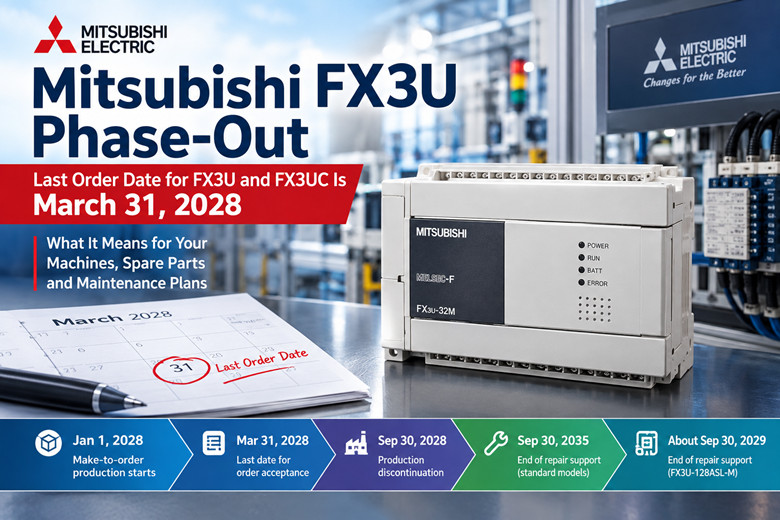
*أخبار الصناعة | 7 سبتمبر 2026*أعلنت شركة ميتسوبيشي إلكتريك عن موعد نهائي لإيقاف إنتاج وحدة التحكم المنطقية القابلة للبرمجة الصغيرة MELSEC-F FX3U، التي شغّلت شريحة واسعة من الآلات الصغيرة حول العالم منذ إطلاقها عام 2004. وفي النشرة الفنية FAM-A-0116-B، بعنوان "إيقاف إنتاج طرازات سلسلة MELSEC-F FX3U/FX3UC والطرازات الإضافية"، الصادرة في أبريل 2026 والمحدثة كإصدار B في مايو 2026، حددت ميتسوبيشي آلية الإيقاف الرسمية: يبدأ الإنتاج حسب الطلب في 1 يناير 2028، ويُغلق باب قبول الطلبات في 31 مارس 2028، ويتوقف الإنتاج في 30 سبتمبر 2028، بينما يستمر دعم الصيانة حتى 30 سبتمبر 2035. ويمكن الاطلاع على النشرة الرسمية بصيغة PDF على صفحة الأخبار الفنية لشركة ميتسوبيشي.تتجاوز أهمية الجدول الزمني بكثير مجرد إشعارات نهاية العمر الافتراضي المعتادة في صناعة وحدات التحكم المنطقية القابلة للبرمجة (PLC). فوحدة التحكم FX3U ليست وحدة تحكم متخصصة. منذ عام 2004، أصبحت وحدة التحكم الرئيسية في خطوط التعبئة والتغليف، وآلات وضع الملصقات، ووحدات معالجة المياه الصغيرة، ولوحات التكييف والتهوية، ووحدات التحكم في البوابات والصمامات، والآلات المصنعة من قبل الشركات المصنعة الأصلية (OEM) والتي تُشحن إلى جميع أسواق العالم، كما أصبحت رائدة عائلة MELSEC-F الصغيرة. عندما يُحدد تاريخ نهائي لطلب منصة تتمتع بهذا العدد الكبير من المستخدمين، فإن الخبر يتجاوز كتالوج ميتسوبيشي ليصل إلى استراتيجية قطع الغيار في كل مصنع لا يزال يستخدمها.ملخص عملي للمشترين ومهندسي الصيانة: يستمر طلب منتجات FX3U وFX3UC من الكتالوج بشكل طبيعي حتى عام 2027. ابتداءً من 1 يناير 2028، ستبدأ ميتسوبيشي بتصنيع هذه الطرازات حسب الطلب فقط، وآخر موعد لقبول الطلبات الجديدة هو 31 مارس 2028. سيتم إنتاج الوحدات المطلوبة خلال هذه الفترة في الأشهر اللاحقة، وينتهي الإنتاج الجديد في 30 سبتمبر 2028. يمتد دعم الصيانة لمدة سبع سنوات، حتى 30 سبتمبر 2035، باستثناء طراز FX3U-128ASL-M، الذي تم تطويره بالتعاون مع شركة Anywire، والذي يحصل على دعم صيانة لمدة عام واحد فقط بعد توقف الإنتاج. لماذا يُعدّ إيقاف إنتاج جهاز FX3U حدثًا أكبر من مجرد إشعار عادي بنهاية عمره الافتراضي؟ السبب الذي أعلنته شركة ميتسوبيشي هو السبب الذي يُنهي عمر معظم الأجهزة الإلكترونية الطويلة: انهيار سلسلة التوريد. ويشير البيان إلى توقف إنتاج قطع غيار الطرازات المستهدفة تباعاً، مما يُصعّب استمرار الإنتاج، كما سيتم إيقاف إنتاج كتيبات التشغيل الخاصة بهذه الطرازات أيضاً.يُعدّ إعلان FX3U أحدث خطوة في تقليص أوسع نطاقًا لأجهزة MELSEC القديمة. حدّدت ميتسوبيشي، حتى عام 2026، تاريخ 30 سبتمبر 2026 كموعد نهائي لتلقّي طلبات الشراء لوحدات المعالجة المركزية Universal Q عالية السرعة بموجب النشرة FA-A-0418-A، وحوّلت سلسلة MELSEC-L إلى نظام التصنيع حسب الطلب بموجب النشرة FA-A-0466-A. ويتمثّل هذا النهج في تركيز ميتسوبيشي جهود التطوير والإنتاج على المنصات الحالية، ولا سيما سلسلة MELSEC iQ-F (FX5) المخصصة للأجهزة الصغيرة، ما يمنح كل عائلة من الأجيال السابقة نهاية محددة ومنشورة بدلاً من وعد مفتوح بالتوافر.لا يعني هذا أن وحدة التحكم FX3U سيئة، أو أن الأجهزة الحالية ستصبح قديمة الطراز العام المقبل. إنما يحدد هذا الأمر موعدًا نهائيًا لتوريد الوحدات الجديدة، وأن الفترة الزمنية المتاحة لشراء وحدات جديدة وتخزين قطع الغيار للأجهزة التي ستعمل حتى ثلاثينيات القرن الحالي محدودة ومعلنة. لذا، فإن الوقت الأمثل للتخطيط هو الآن لكل من يتولى صيانة معدات FX3U. نظرة سريعة على جدول التخلص التدريجي حدث هام | التاريخ | ما يعنيه عملياًبدء الإنتاج حسب الطلب | ١ يناير ٢٠٢٨ | توقفت شركة ميتسوبيشي عن تصنيع طرازات FX3U/FX3UC والمنتجات الملحقة بها للتخزين. يستمر قبول الطلبات، ولكن الإنتاج يتم حسب الطلب.آخر موعد لقبول الطلبات | 31 مارس 2028 | آخر يوم تقبل فيه ميتسوبيشي طلبات جديدة للطرازات المتأثرة. بعد هذا التاريخ، لن يكون بالإمكان تقديم أي طلبات جديدة عبر القنوات المعتادة.توقف الإنتاج | 30 سبتمبر 2028 | ينتهي التصنيع. الطلبات المقدمة قبل 31 مارس يتم إنتاجها خلال الأشهر الفاصلة؛ بعد هذا التاريخ لا يوجد إنتاج جديد على الإطلاق.انتهاء دعم الإصلاح، الطرازات القياسية | 30 سبتمبر 2035 | بعد سبع سنوات من توقف الإنتاج. تتم معالجة طلبات الإصلاح خلال هذه الفترة، رهناً بتوفر قطع الغيار.نهاية دعم الإصلاح، FX3U-128ASL-M | حوالي 30 سبتمبر 2029 | تحصل وحدة AS-Link الرئيسية التي تم تطويرها بالاشتراك مع شركة Anywire على دعم إصلاح لمدة عام واحد تقريبًا بعد توقف الإنتاج، أي أقل بست سنوات تقريبًا من بقية أفراد العائلة.تُؤكد الحسابات منذ تاريخ هذا المقال على مدى إلحاح الأمر. ففي 7 سبتمبر 2026، يتبقى حوالي 19 شهرًا لقبول الطلبات: حوالي 15 شهرًا من الطلبات العادية عبر الكتالوج حتى نهاية عام 2027، تليها فترة ثلاثة أشهر للتصنيع حسب الطلب من 1 يناير إلى 31 مارس 2028. أما الطلبات المقدمة قبل 31 مارس، فسيتم تصنيعها خلال الأشهر الستة الفاصلة بين الموعد النهائي للطلب وتوقف الإنتاج في 30 سبتمبر.لأغراض التخطيط للصيانة، تُشير الحسابات نفسها إلى أفق زمني للصيانة يمتد لتسع سنوات بدءًا من اليوم للطرازات القياسية، وينتهي في 30 سبتمبر 2035. أما طراز FX3U-128ASL-M فهو استثناء، حيث ينتهي دعمه في حوالي 30 سبتمبر 2029، أي بعد ثلاث سنوات تقريبًا من الآن؛ لذا ينبغي على أي موقع يستخدم هذا الطراز اعتباره أول عنصر في مراجعة قطع الغيار. أما الإجابة الدقيقة على سؤال "متى سيتوقف إنتاج FX3U؟" فهي: ينتهي قبول الطلبات في 31 مارس 2028، وينتهي الإنتاج الجديد في 30 سبتمبر 2028؛ أما بعد ذلك، فيعتمد كل شيء على المخزون، والمخزون القديم، وقنوات الصيانة. ما هي طرازات FX3U وFX3UC المتأثرة؟ تغطي النشرة نطاقًا واسعًا، مما يدل على مدى عمق منظومة FX3U. فهي تشمل الوحدات الرئيسية FX3U بمختلف أنواع مزودات الطاقة، والوحدات الرئيسية FX3UC ذات الموصلات، وأجهزة التوسعة FX2N وFX3U وFX3UC التي تُركّب على هذه المعالجات، وملحقات البرمجة والاتصال، ووحدات الذاكرة التي تستخدمها العديد من المواقع لتخزين البرامج. الوحدات الرئيسية FX3U تقوم شركة ميتسوبيشي بتجميع الوحدات الرئيسية FX3U المتأثرة حسب نوع مصدر الطاقة؛ وتأتي أرقام الطرازات المذكورة أدناه من دليل الاستبدال الخاص بها.المجموعة المتأثرة | أنواع اللواحق المشمولة | نماذج مثال مذكورة في النشرةوحدات رئيسية تعمل بالتيار المتردد FX3U | أنواع /ES | FX3U-32MR/ES، FX3U-64MT/ES، FX3U-80MR/ESوحدات FX3U الرئيسية التي تعمل بتيار مستمر | من النوعين /DS و/DSS | مشمولة بقوائم طرازات النشرةأنواع FX3U UA1 | متغيرات UA1 | مشمولة بقوائم طرازات النشرةتُعدّ عائلة /ES التي تعمل بالتيار المتردد هي الأكثر شيوعًا بين المستخدمين، نظرًا لأنها تمثل غالبية أجهزة FX3U الموصولة بشبكة التيار المتردد. أما طرازات /DS و/DSS التي تعمل بالتيار المستمر فتغطي التركيبات التي تغذي وحدة التحكم من ناقل تيار مستمر بجهد 24 فولت، بينما تُعدّ طرازات UA1 خيارات جهد إضافية باعتها ميتسوبيشي في أسواق محددة؛ وقد تم إيقاف إنتاج جميعها ضمن نفس عملية الإيقاف.تُظهر النماذج الموضحة نطاق التأثر. وحدة FX3U-32MR/ES هي وحدة التحكم الرئيسية ذات 32 نقطة إخراج مرحل، والتي أصبحت وحدة التحكم الافتراضية للآلات الصغيرة؛ ووحدة FX3U-64MT/ES هي نظيرتها ذات 64 نقطة إخراج ترانزستور، والمخصصة للتطبيقات عالية السرعة؛ أما وحدة FX3U-80MR/ES فتُظهر امتداد تأثير التحديث إلى وحدات التحكم الرئيسية الأكبر حجمًا. إن اختيار هذه الوحدات الثلاث كأمثلة عملية يُشير إلى أن عملية الإيقاف التدريجي تشمل معظم منتجات هذه العائلة، وليس فقط بعض أجزائها. الوحدات الرئيسية FX3UC يُعدّ FX3UC الإصدار المُدمج من هذه العائلة، والمُصمّم خصيصًا للأجهزة ذات المساحة المحدودة على اللوحة، حيث تحلّ أسلاك التوصيل محلّ أطراف التوصيل اللولبية. يُغطي هذا الدليل وحدات FX3UC الرئيسية التي تعمل بالتيار المستمر، مُتضمنًا جميع أحجام نقاط التوصيل ومُختلف أنواعها.المجموعة المتأثرة | أحجام النقاط | أنواع اللواحق المشمولة | نموذج مثال مذكور في النشرةوحدات FX3UC الرئيسية التي تعمل بتيار مستمر | 16، 32، 64، و96 نقطة | أنواع /D، /DS-T، /DSS، و/DS-TS | FX3UC-64MT/Dتُستخدم أجهزة FX3UC بكثرة في معدات الشركات المصنعة الأصلية المدمجة، حيث يُحافظ تصميم الموصل على ترتيب الأسلاك وسرعة الاستبدال. ويُعدّ جهاز FX3UC-64MT/D مثالًا يُحتذى به في عملية الاستبدال: إذ تُطابقه شركة ميتسوبيشي مباشرةً مع جهاز FX5UC-64MT/D، مع الحفاظ على شكل الموصل نفسه في مسار الترقية. وحدات التمديد، والكابلات، والمحولات، وأشرطة الذاكرة لا تقتصر قائمة المتأثرين على الوحدات الرئيسية فقط. فنظرًا لأن نظام FX3U قد توسع عبر وحدات التوسعة، فإن النشرة تشمل أجهزة التوسعة التي تستخدمها العديد من التركيبات، وتمتد إلى كتالوج FX2N: غالبًا ما تدمج تركيبات FX3U وحدات التوسعة FX2N مع الوحدات الرئيسية FX3U على نفس سكة DIN، ولهذا السبب تتضمن قائمة التوسعة وحدات الإدخال/الإخراج من فئة FX2N ذات 32 نقطة، من بين عناصر أخرى.فئة المعدات | ما الذي يتأثر | ملاحظاتوحدات ونماذج توسعة الإدخال/الإخراج | وحدات ونماذج توسعة الإدخال/الإخراج FX2N وFX3U وFX3UC | تشمل وحدات الإدخال/الإخراج FX2N من فئة 32 نقطة؛ وتغطي الوحدات المستخدمة لتوسيع الأنظمة بما يتجاوز إمكانيات الإدخال/الإخراج المدمجة في الوحدة الرئيسيةكابلات البرمجة والاتصال | كابلات FX-422CAB-150 والكابلات ذات الصلة | مجموعة الكابلات المستخدمة لربط أجهزة الكمبيوتر وأدوات البرمجة بوحدات التحكم المنطقية القابلة للبرمجة من سلسلة FXمحولات الإشارة | FX-USB-AW | محول إشارة USB المستخدم في برمجة وتشخيص أنظمة التحكم المنطقية القابلة للبرمجة (PLC) من الكمبيوتر الشخصيأشرطة الذاكرة | FX3U-FLROM-64L و FX3U-FLROM-1M | لا تُدرج شركة ميتسوبيشي أي طرازات بديلة لهذه الأشرطة.يستحق عنصر شريط الذاكرة اهتمامًا خاصًا. يُعدّ كل من FX3U-FLROM-64L وFX3U-FLROM-1M شريطي ذاكرة فلاش يُوصلان بوحدات FX3U الرئيسية لتخزين البرامج وتشغيل ذاكرة القراءة فقط (ROM)، ويشير البيان إلى عدم وجود نماذج بديلة لهما، وهو ما يُعدّ تأكيدًا أقوى من مجرد ملاحظة استبدال عادية. ستحتاج المواقع التي تستخدم أشرطة الذاكرة كطريقة لنسخ برامجها احتياطيًا، أو التي تُشغّل البرامج من وضع ذاكرة القراءة فقط (ROM)، إلى حل هندسي بدلًا من حل مشتريات، لعدم وجود بديل مباشر لهما.بالنسبة لفرق الصيانة، فإن النتيجة العملية بسيطة. يستخدم المهندس كابل FX-422CAB-150 ومحول FX-USB-AW عندما يحتاج جهاز كمبيوتر محمول للتواصل مع وحدة FX3U للبرمجة أو التشخيص، وعندما يختفيان من الكتالوج، تتغير آلية الصيانة اليومية. اشترِ قطع الغيار اللازمة قبل الموعد النهائي للطلب؛ ينطبق شرط آخر طلب على الكابلات والمحولات تمامًا كما ينطبق على وحدات المعالجة المركزية. استبدال FX5U: مسار الترقية الموصى به في النشرة توصي ميتسوبيشي بسلسلة MELSEC iQ-F: FX5U وFX5UJ وFX5UC، وهي توصية دأبت عليها لسنوات. تُعدّ سلسلة iQ-F المنصة المُعتمدة لخلافة فئة الآلات الصغيرة، حيث تنقل عمليات الهندسة إلى برنامج GX Works3 بدلاً من بيئة GX Works2 التي اعتاد عليها مستخدمو FX3U. تُقدّم أمثلة الخرائط أدناه إرشادات قيّمة للمهندسين الذين يُخططون لعملية التحوّل.طراز FX3U الحالي | بديل مباشر لطراز FX5 | تكوين بديل في النشرةFX3U-32MR/ES | FX5U-32MR/ES | FX5UJ-40MR/ESFX3U-64MT/ES | FX5U-64MT/ES | FX5UJ-60MT/ES بالإضافة إلى FX5-8EYT/ESFX3U-80MR/ES | FX5U-80MR/ES | غير مدرجFX3UC-64MT/D | FX5UC-64MT/D | غير مدرجمتغيرات خرج الترياك /MS | وحدات الترانزستور /MT بالإضافة إلى لوحات محولات المرحلات الخارجية | محول المرحل FA-TH16YSR20S، مع ملحقات FA-CBL10(Y)M20 في بعض التكويناتاقرأ الجدول كما يفعل مهندس التصميم. أفضل عمليات الترقية هي تلك المباشرة: حيث يتحول جهاز FX3U-32MR/ES إلى FX5U-32MR/ES بنفس عدد النقاط ونوع مخرج المرحل وشكل رقم الطراز. أما بدائل FX5UJ فهي الخيار الاقتصادي: FX5UJ هو الخيار الأنسب من حيث الحجم والتكلفة ضمن سلسلة iQ-F، ويُظهر الجدول جهاز FX5UJ-40MR/ES ذو 40 نقطة يستوعب تطبيق FX3U ذو 32 نقطة. في حالة 64 نقطة، يتم دمج جهاز FX5UJ-60MT/ES ذو 60 نقطة مع وحدة FX5-8EYT/ES ذات 8 نقاط إضافية للوصول إلى عدد منافذ الإدخال/الإخراج المطلوب.إنّ تخطيط /MS هو ما يُثير استغراب البعض. فقد استُخدمت مُخرجات /MS ذات الترياك المُستقبِل حيث كان لا بدّ من تبديل أحمال التيار المتردد دون تآكل المرحلات. في بيئة iQ-F، يُوجّه هذا الدليل هذه التطبيقات إلى وحدات مُخرجات الترانزستور /MT بالإضافة إلى مُحوّل مرحلات خارجي، وتحديدًا لوحة مُحوّل المرحلات FA-TH16YSR20S مع مُلحقات FA-CBL10(Y)M20 في بعض التخطيطات. بعبارة أخرى، تنتقل وظيفة تبديل التيار المتردد من وحدة التحكم المنطقية القابلة للبرمجة (PLC) إلى لوحة مرحلات خارجية تُشغّل بواسطة مُخرجات ترانزستور قياسية، ويتطلب تحديد هذا التغيير فحص تيارات الحمل، وتردد التبديل، ومساحة اللوحة، لأنّ اللوحة الخارجية تشغل مساحة لم تكن تشغلها مُخرجات الترياك القديمة.ثلاثة حقائق هندسية تكمن وراء كل صف في جدول الربط. أولًا، تُبرمج منصة iQ-F باستخدام GX Works3، وليس GX Works2؛ ولا يتم تحميل برنامج السلم المكتوب لـ FX3U في FX5 كبرنامج نهائي، وتحتاج البرامج التي تعتمد على وحدات FX3U أو تشغيل ذاكرة القراءة فقط (ROM) القائمة على الكاسيت إلى إعادة صياغة شاملة. ثانيًا، تُضيف عائلة FX5U إمكانيات لم تكن موجودة في FX3U، بما في ذلك منفذ إيثرنت مدمج في الوحدات الرئيسية لـ FX5U. ثالثًا، يحتفظ FX5UC بتصميم الموصل لمستخدمي FX3UC، لذا تبقى آلية التركيب قائمة حتى في حال عدم وجود البرنامج. بالنسبة لمشتري قطع غيار وحدات التحكم المنطقية القابلة للبرمجة (PLC) من ميتسوبيشي، تُعتبر عملية الترقية مشروعًا له ميزانية هندسية، وليس مجرد طلب استبدال، ولهذا السبب يُعد البدء قبل الموعد النهائي في عام 2028 أمرًا بالغ الأهمية. ماذا يعني التخلص التدريجي من نظام FX3U بالنسبة للمصانع التي تعمل به اليوم؟ لن تختفي قاعدة عملاء FX3U في عام 2028. ستستمر الآلات المبنية على وحدات تحكم FX3U في العمل لعقد أو أكثر بعد توقف الإنتاج، لأن وحدات التحكم المنطقية القابلة للبرمجة (PLC) تُسحب من الخدمة عند سحب الآلة من الخدمة، وليس عند تغيير الكتالوج. ما يُغيره هذا البيان هو معادلة التوريد المتعلقة بهذه الآلات.لننظر إلى الجدول الزمني من أرضية المصنع. آلة تم شراؤها جديدة في عام 2026، يمتد دعمها الفني حتى 30 سبتمبر 2035، أي بعد تسع سنوات تقريبًا من اليوم، وينطبق الأمر نفسه على آلة أقدم. لا تكمن المشكلة في فترة الدعم الفني، بل في توفر الوحدات الجديدة. فبعد 31 مارس 2028، ستكون مصادر وحدات FX3U الجديدة الوحيدة هي مخزون الموزعين غير المباع، وبعد 30 سبتمبر 2028، ستكون مصادر أجهزة FX3U الوحيدة هي المخزون القديم، وسوق الأجهزة المستعملة، وقنوات الصيانة. ولا يمكن لأي من هذه المصادر أن يغطي مصنعًا يكتشف عطلًا في وحدة المعالجة المركزية عام 2030 دون وجود قطع غيار متوفرة.هذا هو الفخ الذي يقع فيه غير المستعدين. لن يتعطل جهاز FX3U دفعة واحدة في عام 2028، بل سيتعطل جهازًا تلو الآخر خلال العقد الثالث من القرن الحالي: وحدة تزويد الطاقة بعد ارتفاع مفاجئ في التيار، ووحدة الإخراج بعد عطل في أحد المحركات، ووحدة المعالجة المركزية بعد سنوات من دورات التسخين والتبريد المتكررة. كل عطل يُمكن إصلاحه بسهولة طالما أن قطع الغيار الجديدة متوفرة، ولكنه يُصبح مشكلة في جدولة التوريد عندما لا تكون متوفرة. يُحوّل التخلص التدريجي من الجهاز مسألة قطع الغيار الروتينية إلى نافذة شراء محدودة تنتهي في 31 مارس 2028.بالنسبة لمصنعي المعدات الأصلية، تختلف المخاطر لكنها لا تقل أهمية. أي مصنع لا يزال يصمم آلات جديدة باستخدام منصة FX3U في عامي 2026 و2027، يُلزم تلك الآلات بمنصة سينتهي عقد طلبياتها في أقل من عامين. أي برنامج آلات يُطلق في عام 2027 ويستمر إنتاجه لخمس سنوات، سيحتاج إلى مكونات FX3U حتى عام 2032، أي بعد أربع سنوات من توقف ميتسوبيشي عن تصنيعها. هذه الحسابات تتطلب إما شراء قطع غيار بكميات كبيرة مقدمًا أو تغيير المنصة في منتصف فترة الإنتاج، وهو الخيار الأكثر تكلفة. يُعد هذا البيان بمثابة إشعار بتجميد التصميم لمصنعي المعدات الأصلية: يجب أن تنتقل تصاميم الآلات الجديدة إلى خط إنتاج iQ-F قبل انتهاء فترة الطلبيات، بينما تحتاج المنتجات الحالية القائمة على FX3U إلى خطة شراء نهائية موثقة. استمر في التشغيل أو انتقل إلى جهاز آخر: اتخذ القرار جهازًا تلو الآخر لا يفرض الإيقاف التدريجي حلاً واحداً، بل يفرض اتخاذ قرار بشأن كل جهاز على حدة. يُعدّ خيار استمرار التشغيل مناسباً للأجهزة السليمة ميكانيكياً والتي لم تنتهِ صلاحيتها بعد، فهي تحتاج إلى خطة قطع غيار، لا إلى وحدة تحكم جديدة. أما خيار الترقية فهو مناسب للأجهزة التي هي بالفعل مرشحة للتحديث، أو التي تحتاج إلى اتصال جديد، أو التي تجاوزت قدراتها إمكانيات جهاز FX3U.عامل | استمرار التشغيل الرشيق | الانتقال الرشيق إلى FX5العمر المتبقي للآلة | خمس سنوات أو أكثر من العمر الميكانيكي السليم | الآلة قريبة من التحديث أو الاستبدالوضع قطع الغيار | مسار واضح للحصول على وحدة المعالجة المركزية ووحدات الإدخال/الإخراج والملحقات الأصلية قبل 31 مارس 2028 | لا توجد ميزانية أو رغبة في شراء قطع غيار نهائيةتعقيد البرنامج | سلم برمجي بسيط، موثق جيدًا، ويمكن إعادة إنشائه بسهولة في حالة فقدانه | استخدام مكثف لوحدات أو أشرطة أو أجهزة AS-Link خاصة بـ FX3Uاحتياجات الاتصال | آلة مستقلة، الاتصالات الحالية كافية | يتطلب المصنع الآن اتصالاً عبر الإيثرنت، أو جمع البيانات، أو الوصول عن بُعدالموارد الهندسية | لا توجد خبرة داخلية في GX Works3 ولا ميزانية للهجرة | الموظفون مستعدون للانتقال إلى GX Works3 وإعادة التحقق من صحة البرامجاستخدام شريط FLROM | لا شيء، أو يتم تخزين البرنامج فقط كنسخة احتياطية للملف | تشغيل شريط ROM جزء من التصميم، ولا يوجد بديل للشريطتستحق اقتصاديات استمرار التشغيل دراسة متأنية. يُعدّ تخزين وحدة معالجة مركزية احتياطية، ووحدة إدخال/إخراج احتياطية، والملحقات اللازمة للجهاز، غير مكلف مقارنةً بعملية الترقية، التي تتطلب وقتًا هندسيًا، وتحويلًا للبرامج، وإعادة التحقق، وإعادة توصيل لوحة التحكم، وتحديثات للوثائق، فضلًا عن مخاطر حدوث مشاكل في بدء التشغيل على جهاز كان يعمل بشكل جيد سابقًا. بالنسبة لجهاز سليم ذي متطلبات تحكم بسيطة، غالبًا ما يكون خيار شراء قطع الغيار الأخيرة هو الحل الأقل تكلفةً ومخاطرةً. لكنّ هذا الخيار له موعد نهائي: 31 مارس 2028.تُعدّ عملية التحديث خيارًا مُجديًا عندما تكون الآلة مُرشّحة للتحديث بالفعل. فإذا كان المصنع يُعيد هندسة اللوحة على أي حال، فإنّ تركيب وحدة FX5U بدلًا من شراء آخر وحدة FX3U لا يُكلّف سوى القليل من المال الإضافي، ويُعيد ضبط الأمور: فمنصة FX5 حديثة، وإنتاجها ليس مُعلّقًا عليه نهاية العمر الافتراضي، وآفاق إصلاحها تبدأ من جديد. كما يُحقق التحديث ميزةً من حيث الإمكانيات، إذ تأتي الوحدات الرئيسية FX5U مزوّدة بمنفذ إيثرنت مُدمج، ويُركّز ميتسوبيشي جهوده التطويرية على خط إنتاج iQ-F. وينتهي المطاف بالمصنع الذي يُوحّد استخدام iQ-F ببيئة هندسية واحدة، وهي GX Works3، بدلًا من الحفاظ على مهارات GX Works2 فقط لأسطول قديم.الحل الخاطئ هو عدم اتخاذ أي إجراء حتى عام ٢٠٢٨ وترك القرار للظروف. فالمصنع الذي ينتظر حتى يناير ٢٠٢٨ لبدء التدقيق سيضطر إلى تقديم طلبات الشراء الأخيرة في نفس الربع الذي يحاول فيه تقييم عمليات النقل، مع تقليص دفاتر الطلبات وعدم وجود وقت لجولة ثانية من الشراء. يجب أن تحمل كل آلة في الأسطول ملصقًا واضحًا يحدد ما إذا كانت ستستمر في العمل أو ستخضع لعملية نقل، مع تحديد التاريخ، قبل بدء فترة التصنيع حسب الطلب. واقع الإصلاح: سبع سنوات من العمل المحدود يستمر دعم ميتسوبيشي للإصلاح حتى 30 سبتمبر 2035 لطرازات FX3U وFX3UC القياسية، أي بعد سبع سنوات من توقف إنتاجها. هذا الالتزام هو السبب في أن التوقف التدريجي لا يُعدّ تقادمًا فوريًا. لكن فترة دعم الإصلاح لا تضمن إمكانية إصلاح كل لوحة معطلة عند الطلب. فالإصلاحات تعتمد على توافر قطع الغيار، كما أن توقف إنتاج المكونات تباعًا، وفقًا لما ورد في النشرة، هو القيد الذي يُحكم عملية الإصلاح أيضًا. مع مرور السنوات، سيصبح الإصلاح أبطأ وأقل موثوقية للوحدات الأقدم، وهو ما يجب أخذه في الحسبان عند حساب قطع الغيار بدلًا من افتراض تغطية سهلة لمدة سبع سنوات كاملة.يُعدّ استثناء وحدة FX3U-128ASL-M أبرز تفصيل في النشرة، ولكنه في الوقت نفسه الأكثر عرضةً للتجاهل. هذه الوحدة، وهي وحدة رئيسية لشبكة AS-Link طُوّرت بالتعاون مع شركة Anywire، لا تتلقى سوى دعم إصلاحي لمدة عام واحد تقريبًا بعد توقف إنتاجها، ما يعني توقف الدعم في حوالي 30 سبتمبر 2029. يعتمد المنتج المُطوّر بالتعاون على التزامات التوريد والخدمة من الشريك، والتي تختلف عن التزامات شركة Mitsubishi فيما يخصّ الأجهزة. لذا، ينبغي على أي موقع يستخدم وحدات FX3U-128ASL-M أن يُعاملها كأولوية قصوى في عمليات التدقيق: فتكلفة شراء قطعة غيار واحدة قبل الموعد النهائي للطلب أقل بكثير من تكلفة إصلاح عطل في وحدة الشبكة الرئيسية عام 2031 دون وجود أي بديل جاهز.هناك أيضًا جانبٌ يتعلق بالتوثيق. يُشير البيان إلى أنه سيتم إيقاف إصدار كتيبات التشغيل الخاصة بالطرازات المستهدفة. لذا، يُنصح بتحميل أدلة التوصيلات الكهربائية، ومراجع البرمجة، ووثائق وحدات الوظائف الخاصة، وأرشفتها قبل حذفها من خوادم توثيق ميتسوبيشي؛ فالكتيبات المؤرشفة بمثابة تأمينٍ زهيد التكلفة، وهي الأصل الوحيد في هذه المرحلة الانتقالية الذي لا تنتهي صلاحيته إذا قمتَ بتحميله الآن. ماذا تفعل هذا الأسبوع؟ يكافئ هذا التقرير المبادرة المبكرة، ومعظم هذه المبادرات متاحة بأسعار زهيدة اليوم. إليكم قائمة مرجعية عملية لأي مصنع أو شركة مصنعة للمعدات الأصلية تستخدم أجهزة FX3U أو FX3UC:1. اسحب قائمة قاعدة التثبيت. احسب كل وحدة معالجة مركزية FX3U وFX3UC، ولاحظ الطراز الدقيق واللاحقة (التي تحدد طاقة التيار المتردد أو التيار المستمر، ونوع الإخراج، وعدد النقاط)، وقم بتحديد الأجهزة المزودة بوحدات تمديد FX2N أو كاسيتات FLROM أو FX3U-128ASL-M.2. قارن نماذجك بالنشرة FAM-A-0116-B. ملف PDF متاح للجميع؛ تأكد من أن كل وحدة تقوم بتشغيلها مشمولة بالنطاق، بما في ذلك وحدات التوسعة والملحقات التي يسهل نسيانها.3. قم بتسمية كل جهاز ليظل قيد التشغيل أو سيتم نقله، مع ذكر المالك والتاريخ، قبل نهاية عام 2026.4. قم بإعداد قائمة قطع الغيار اللازمة لاستمرار تشغيل الأجهزة الآن: وحدات المعالجة المركزية، ووحدات الإدخال/الإخراج، وقطع غيار الطاقة، وكابل FX-422CAB-150، ومحول FX-USB-AW، وأي شيء آخر يحتاجه طقم الصيانة. حدد سعره خلال فترة الطلب العادية.5. تعامل مع جهاز FX3U-128ASL-M على أنه جهاز عاجل. ينتهي دعم إصلاحه في حوالي 30 سبتمبر 2029، أي قبل ست سنوات تقريبًا من انتهاء دعم باقي أجهزة هذه العائلة، ويجب طلب جهاز احتياطي قبل 31 مارس 2028 بوقت كافٍ.6. حل مسألة FLROM. لا يوجد طرازات بديلة لـ FX3U-FLROM-64L و FX3U-FLROM-1M، لذا فإن تخزين البرامج على أشرطة الكاسيت مهمة هندسية يجب أن تبدأ الآن، وليس خلال عملية التحول في عام 2028.7. قم بأرشفة كتيبات جميع الطرازات المتأثرة قبل إيقاف إنتاجها، واحفظها في مكان يسهل على فريق الصيانة العثور عليها.8. ضع التواريخ على التقويم: الطلب العادي حتى عام 2027، والتصنيع حسب الطلب من 1 يناير إلى 31 مارس 2028، وتوقف الإنتاج في 30 سبتمبر 2028. حدد مواعيد نهائية داخلية للمشتريات قبل كل تاريخ بربع سنة على الأقل.9. بالنسبة لمصنعي المعدات الأصلية، قم بتجميد تصميمات الآلات الجديدة على FX5 وقم بإعطاء المنتجات الحالية القائمة على FX3U خطة شراء نهائية موثقة مع الكميات والتاريخ.10. قم بتنفيذ تجربة ترحيل واحدة. حوّل برنامج جهاز بسيط إلى GX Works3 على معالج FX5U أو FX5UJ، وتحقق من صحة ربط النشرة مع عدد عمليات الإدخال/الإخراج الفعلية وقيود اللوحة. يضمن تنفيذ هذه التجربة في عام 2027 عدم وجود أي عائق أمام الالتزام بالموعد النهائي في عام 2028. الخلاصة بالنسبة للمشترين قدمت ميتسوبيشي للسوق ميزة نادرة: تاريخ انتهاء محدد ومنشور مع إشعار مسبق لسنوات، ومسار استبدال واضح لسلسلة iQ-F. والخلاصة واضحة. ستبقى أجهزة FX3U وFX3UC الجديدة متاحة للطلب العادي حتى نهاية عام 2026 وعام 2027 بأكمله. وتُعد فترة الطلب المسبق من 1 يناير إلى 31 مارس 2028 الفرصة الأخيرة لتقديم الطلبات. ينتهي الإنتاج في 30 سبتمبر 2028، ويستمر دعم الصيانة حتى 30 سبتمبر 2035، باستثناء جهاز FX3U-128ASL-M الذي ينتهي دعمه في 30 سبتمبر 2029 تقريبًا.بالنسبة للمصانع التي تتخذ إجراءات هذا العام، يُمكن إدارة عملية الاستبدال التدريجي: إذ يُمكن تخزين قطع الغيار، وأرشفة الأدلة، وتأمين الآلات العاملة، ونقل الآلات المرشحة للترقية إلى بدائل من طراز FX5U أو FX5UJ وفقًا لجدول زمني هندسي مُحدد بدلًا من جدول زمني طارئ. أما بالنسبة للمصانع التي تنتظر، فإن عملية الاستبدال التدريجي نفسها تتحول إلى سباق محموم لطلبات اللحظة الأخيرة خلال فترة ثلاثة أشهر، مع ازدياد الاعتماد على المخزون القديم، وتضييق نطاق إصلاح الآلات عامًا بعد عام.اكتسب جهاز FX3U مكانته بفضل موثوقيته، وانخفاض تكلفته، وانتشاره الواسع. ولا يُغيّر إيقاف إنتاجه هذه الميزة، بل يُغيّر قواعد الشراء، وهذه القواعد الجديدة لها موعد نهائي. يبدأ العمل بمراجعة شاملة ووضع جدول زمني. تُتابع أقسام قطع غيار وحدات التحكم المنطقية القابلة للبرمجة (PLC) وأجزاء الأتمتة الصناعية على موقع tztechio.com هذا الانتقال، وتُعدّ صفحة ميتسوبيشي نقطة انطلاق عملية للعثور على مخزون FX3U وبدائل FX5 طالما بقي كلاهما متوفرًا عبر قنوات التوريد المعتادة.عنوان URL المختصر: mitsubishi-fx3u-fx3uc-phase-out-news----------------------------------------------------------------------------------------------🏢 حول شركة TZ Tech تُعدّ شركة TZ Tech من الشركات الرائدة في توريد مكونات الأتمتة الصناعية، والكهرباء، وأجهزة القياس، والاتصالات. نتخصص في توفير مخزون جاهز للشحن من الموزعين، مما يُمكّننا من تقديم أسعار تنافسية للغاية وفترات تسليم قصيرة. وبفضل مخزوننا الواسع، نستطيع حتى توفير قطع غيار نادرة أو متوقفة عن الإنتاج يصعب العثور عليها في أي مكان آخر. 🛡️ التزامنا بالجودة ندرك أن الجودة هي أولويتكم القصوى. تخضع كل قطعة لعملية فحص واختبار دقيقة لتتمكنوا من الشراء بثقة تامة. بالنسبة للقطع القديمة أو المتوقفة عن الإنتاج، نؤمن بالشفافية الكاملة وسنقدم لكم دائمًا تقريرًا صادقًا ودقيقًا عن حالة المنتج. إضافةً إلى ذلك، جميع القطع الجديدة مشمولة بضمان كامل لمدة عام. ✉️ تواصل معنا هل لديك مشروع أو قطعة غيار تحتاجها؟ أرسل لنا استفسارك اليوم! فريقنا ملتزم بالرد السريع خلال 6 ساعات (باستثناء عطلات نهاية الأسبوع)..
September 10,2026

من فضلك تابع القراءة، ابق على اطلاع، اشترك، ونحن نرحب بك لتخبرنا برأيك.


خريطة الموقع | المدونة | XML | سياسة الخصوصية
بالإضافة إلى ذلك، بعد الحصول على إذن منك، نريد وضع ملفات تعريف الارتباط لجعل زيارتك وتفاعلك مع slOC أكثر خصوصية. ولهذا نستخدم ملفات تعريف الارتباط التحليلية والإعلانية. باستخدام ملفات تعريف الارتباط هذه، يمكننا نحن والجهات الخارجية تتبع وجمع سلوكك على الإنترنت داخل وخارج super-instrument.com. وبهذا نقوم نحن والجهات الخارجية بتكييف موقع super-instrument.com والإعلانات بما يتناسب مع اهتماماتك. بالنقر على قبول فإنك توافق على هذا. إذا رفضت، فإننا نستخدم فقط ملفات تعريف الارتباط الضرورية ولن تتلقى للأسف أي محتوى مخصص. يرجى زيارة سياسة ملفات تعريف الارتباط الخاصة بنا لمزيد من المعلومات أو لتغيير موافقتك في المستقبل.
Accept and continue Decline cookies








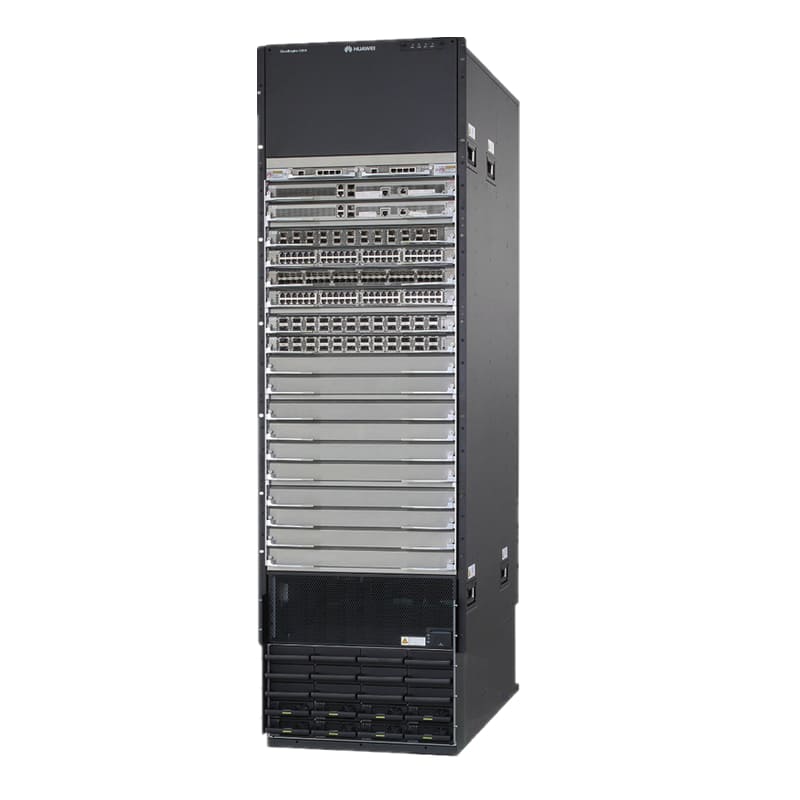
 +86 -17550776091